Green coffee quality
Coffee Bean Size
Quick answer
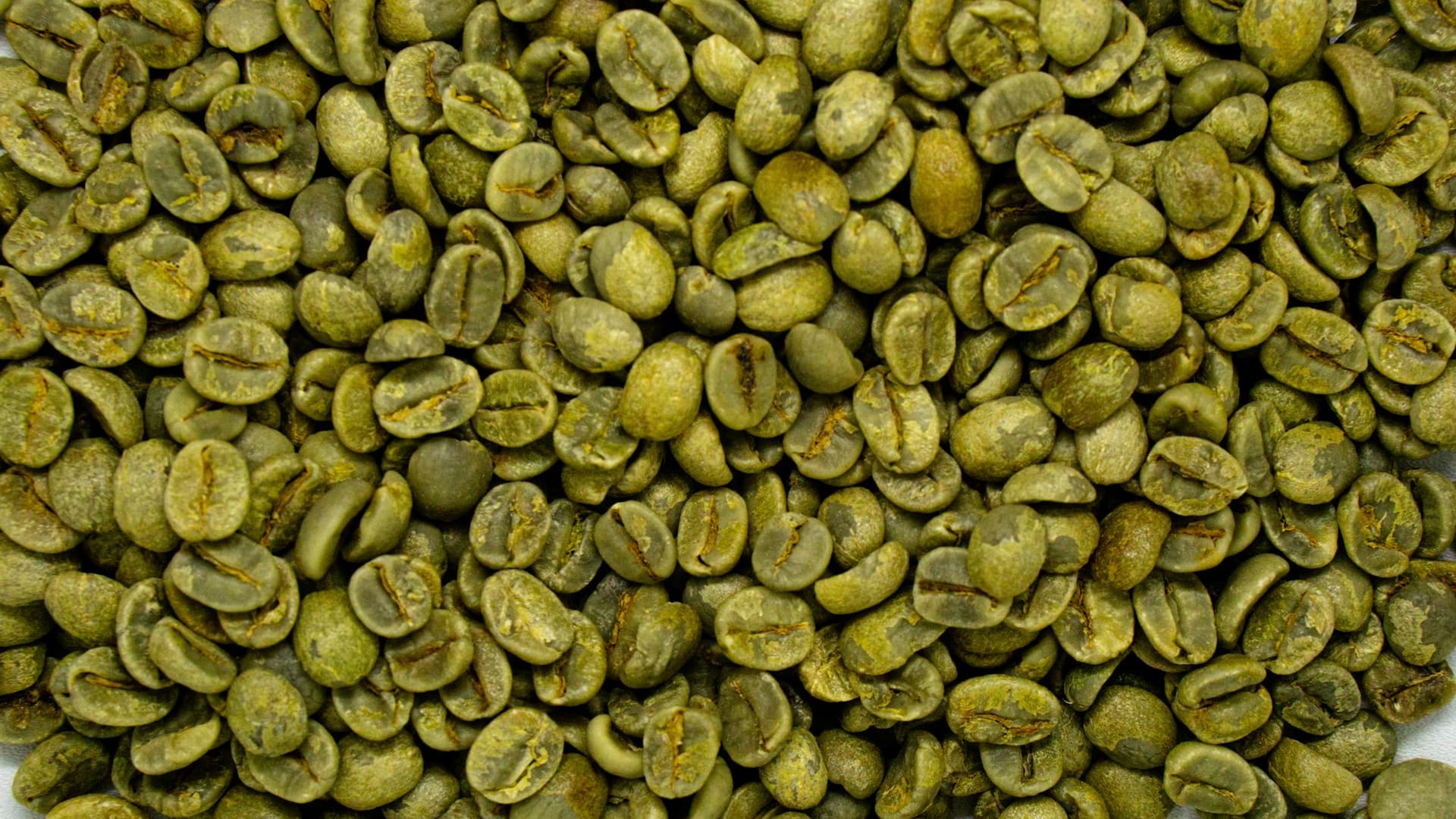
Bean size is measured by screen — the width at which a bean is retained on a perforated sieve. Size is driven by variety, growing conditions, altitude and crop stress. It affects roast behaviour through heat transfer, which is a real reason to care about *uniformity*; it does not by itself determine cup quality.
What determines bean size
- 1Variety. Different Arabica selections have characteristically different seed geometry. This is genetic and consistent.
- 2Growing conditions during fill. Water availability and nutrition while the cherry is developing set how much resource the seed gets.
- 3Crop load. A heavily bearing tree distributes finite resources across more cherries, producing smaller seeds. Biennial bearing shows up in the size distribution.
- 4Altitude. Slower maturation at altitude tends to produce denser, and often somewhat larger, seed — though this interacts with everything above.
- 5Stress events. Drought or hail during development compresses the whole distribution downwards; the effect is visible across an entire season’s outturn.
Note what is not on that list: processing. Washing or drying a cherry does not change the width of the seed inside it. Size is set on the tree.
Distribution, not a single number
Every lot has a size distribution, not a size. A screen analysis reports what percentage of a sample is retained on each screen in the stack, and that curve is far more informative than the headline grade.
| Screen | Retained (%) | Would be graded |
|---|---|---|
| 18+ | 12 | AA |
| 17 | 19 | AA / A |
| 16 | 27 | AB / B |
| 15 | 24 | AB |
| 14 | 11 | C |
| Below 14 | 7 | C / triage |
This is also the practical answer to "can you supply screen 18 in volume": it depends on how much of the crop is screen 18, which depends on the season. See screen 18 for the yield consequences.
Why uniformity matters in the roaster
Heat enters a bean through its surface and moves inward. Smaller beans have a higher surface-area-to-mass ratio, so at a given charge temperature and airflow they develop faster than larger beans in the same batch.
A wide size distribution therefore means that, at the moment the batch is dropped, the small beans are further along the roast than the large ones. Push for full development of the large beans and the small ones scorch; protect the small ones and the large ones stay underdeveloped. Neither outcome is good, and no amount of profile skill fully resolves it.
Size and quality: the honest position
Bean size and cup quality share some upstream causes — a well-nourished tree at suitable altitude in a good year tends to produce both larger seed and better coffee. That shared causation is why the association exists and why it survives in market pricing.
But shared causes are not a direct relationship. Fermentation, drying, sorting and storage all sit between the tree and the cup, and none of them touch bean width. A large bean processed badly is bad coffee. This is the same point made from the Kenya grades side, and it is worth making twice.
Specify a band, not just a grade
We can quote against a specific screen band with the outturn consequence stated, rather than only against the origin’s standard grade names.
Request Current Crop OfferFrequently asked questions
Do bigger coffee beans taste better?
What is a screen analysis?
Why does bean size vary between crops from the same farm?
Does processing change bean size?
Tell us the coffee you need
Lots can be specified by origin, region, process, grade, screen, moisture, defect tolerance, crop year and packaging. Send what you know and we will confirm what each origin realistically supports.
Keep reading
Related guides
- Coffee Screen SizesCoffee screen sizes explained: what a screen number means, the millimetre conversion, how tolerances work, and how screen really relates to quality.
- Green Coffee DensityGreen coffee density explained: how bulk density is measured in g/L, what it does and does not tell you about altitude and quality, and how it is used in dry milling.
- Green Coffee Grades ExplainedWhat coffee grades actually encode — bean size, density, defect count and preparation — and how the systems used across six East African origins differ.
- Screen 16 CoffeeScreen 16 coffee — 16/64 inch, exactly 6.35 mm. Where it sits in the Kenyan and Tanzanian AB block, and why 16+ is the usual tightening request.