Green coffee
Natural Green Coffee
- Origins
- Ethiopia · Uganda · Tanzania
- Method
- Whole cherry dried
- Typical drying
- 2–4 weeks
Quick answer
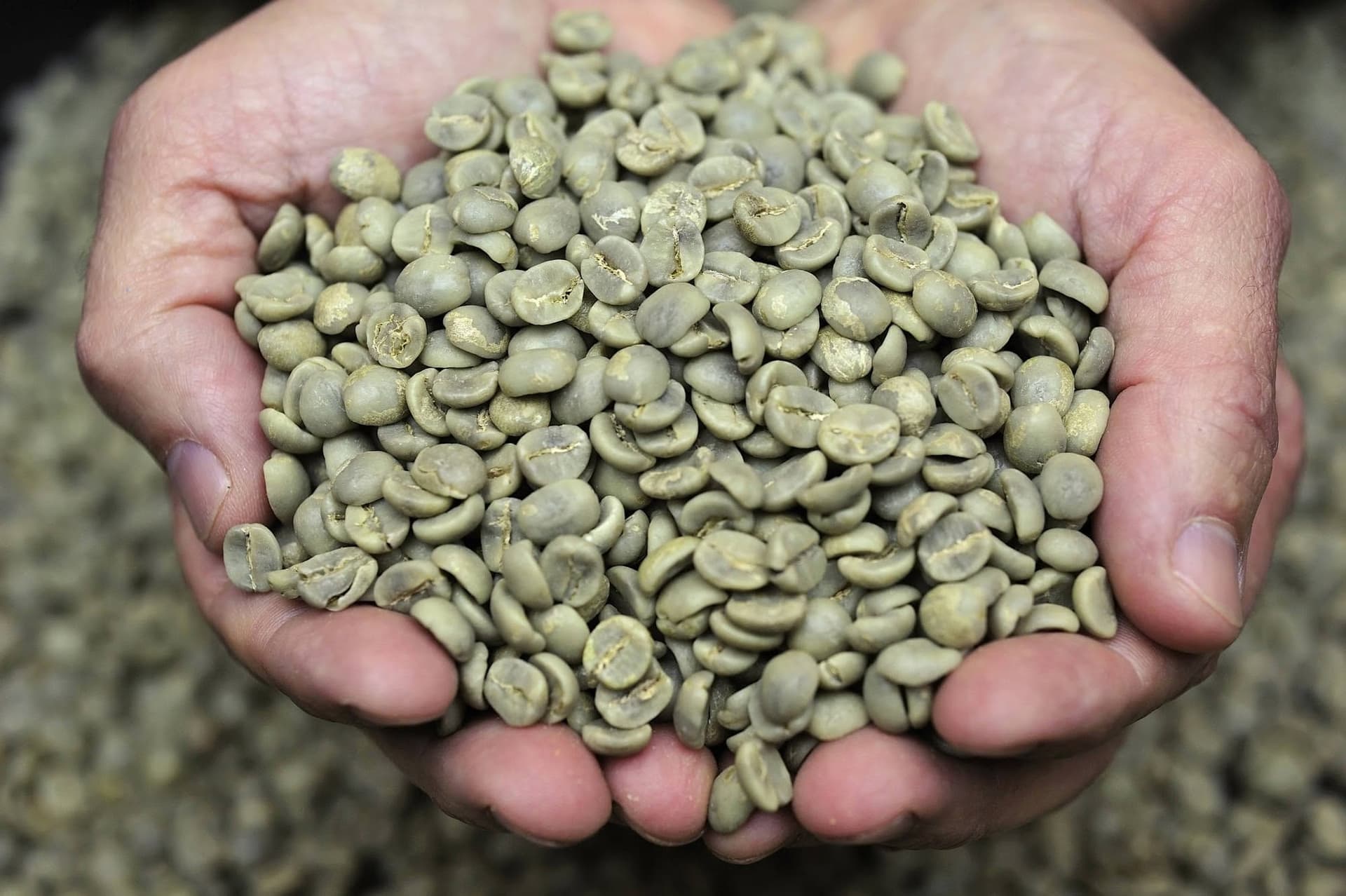
Natural coffee is dried as whole cherry. We supply naturals from Ethiopia (Guji, Sidama, Harrar, Djimma), Uganda (DRUGAR Arabica and all Robusta) and southern Tanzania — spanning intensely fruit-forward specialty separations and clean commercial grades.
The range
| Origin / type | Segment | Character | Typical grade |
|---|---|---|---|
| Ethiopia — Guji | Specialty | Blueberry, strawberry, intense sweetness | Grade 1 |
| Ethiopia — Sidama | Specialty | Berry and stone fruit with weight | Grade 1–3 |
| Ethiopia — Harrar | Specialty / commercial | Wine, blueberry, heavy body | Grade 4–5 |
| Ethiopia — Djimma | Commercial | Clean, sweet, blending backbone | Grade 4–5 |
| Uganda — DRUGAR | Commercial | Dried fig, spice, cocoa | Screen-specified |
| Uganda — Robusta | Commercial | Neutral to sweet, heavy body | Screen 12–18 |
| Tanzania — south | Specialty (growing) | Berry over the region’s natural sweetness | AA, AB |
Buying naturals safely
The controls that matter
Dry processing’s worst faults — ferment, phenol, mould — are largely invisible in the green. A natural lot can pass a screen and defect analysis and still be unusable. Cup approval on a representative sample is not a formality here; it is the only control that works.
- 1Cup a representative pre-shipment sample, in multiple cups, before loading.
- 2Ask whether the cherry was selected for drying or diverted to it — deliberate naturals and by-product naturals are different products.
- 3Ask about bed loading and turning regime. Stations that answer precisely are usually the ones doing it well.
- 4Specify water activity as well as moisture; naturals often run higher aw at the same moisture reading.
- 5Specify hermetic packaging for specialty naturals, which are more sensitive to moisture migration in transit.
- 6Write a fault-tolerance clause, not just a defect count.
Where naturals are the better choice
- Fruit-forward single origin — Ethiopian naturals do something no washed coffee can.
- Body and sweetness in a blend — natural Djimma and DRUGAR carry weight at commercial prices.
- Espresso — the fuller body and lower perceived acidity suit many espresso profiles.
- Filter with impact — where a menu needs a coffee that reads immediately as distinctive.
Natural lot enquiries
Tell us the intensity you can carry and the segment you are buying in. We describe a parcel as it is, not as its best bag.
Request Current Crop OfferCurrent crop
Current Natural Coffee
Availability is confirmed on enquiry
We do not publish a standing stock list for natural coffee. What can be offered depends on the harvest in progress, what has been milled and what is already committed, so each offer is confirmed against the current crop when you ask — with the lot’s specification and the date its position was checked.
For when each origin typically ships, see the coffee crop calendar.
Quality
How we evaluate natural coffee
Every parcel is assessed on the same sequence before it is offered, and again before it is loaded. What is reported for a given lot depends on what the buyer specifies.

- 01Physical gradePreparation class against the origin’s own system
- 02Screen distributionRetention plus the percentage passing
- 03Defect analysisFull defects per 300 g on a stated weighting table
- 04MoistureRange plus the measurement method and instrument
- 05Water activityWhere the buyer specifies it, for storage stability
- 06DensityBulk density in g/L, for roast planning
- 07Sample roastTo a cupping profile, not a commercial roast
- 08CuppingMultiple cups, against the approved sample
- 09Buyer approvalThe retained sample the shipment is measured against
Export
Packaging and export
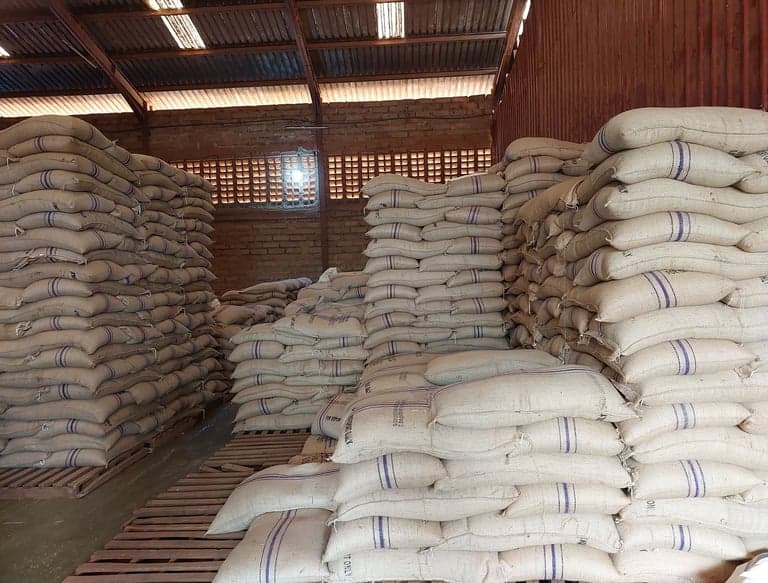
Packaging is specified at contract stage rather than requested afterwards, because it changes both the price and the container arithmetic. Four of our six origins are landlocked, which makes the inland leg the largest single source of schedule variance — shipment windows are built around port arrival, not mill readiness.
Questions
Frequently asked questions
Are all Ethiopian naturals fruity?
Why are naturals riskier?
Should I specify hermetic packaging for naturals?
Do you supply Kenyan naturals?
Keep reading
Related technical guides
The reference material behind the specification fields on this page.
Request an offer
Tell us the natural coffee you need
Origin, region, process, grade, screen, moisture, defect tolerance, crop year and packaging. Send what you know and we will confirm what each origin realistically supports for the current crop.