Skip to content
Jber Coffee LimitedGreen Coffee · Origin Supply

Green coffee

East African Green Coffee

Arabica and Robusta from six East African origins, specified by species, processing method and market segment — and contracted on grade, screen, defect tolerance, moisture, crop year and an approved sample.
East African origins
6
Species
Arabica + Robusta
Segments
Specialty + commercial

01 · By species

Arabica and Robusta

The largest single division in what a coffee can do in a blend or a cup — and two entirely different buying conversations.

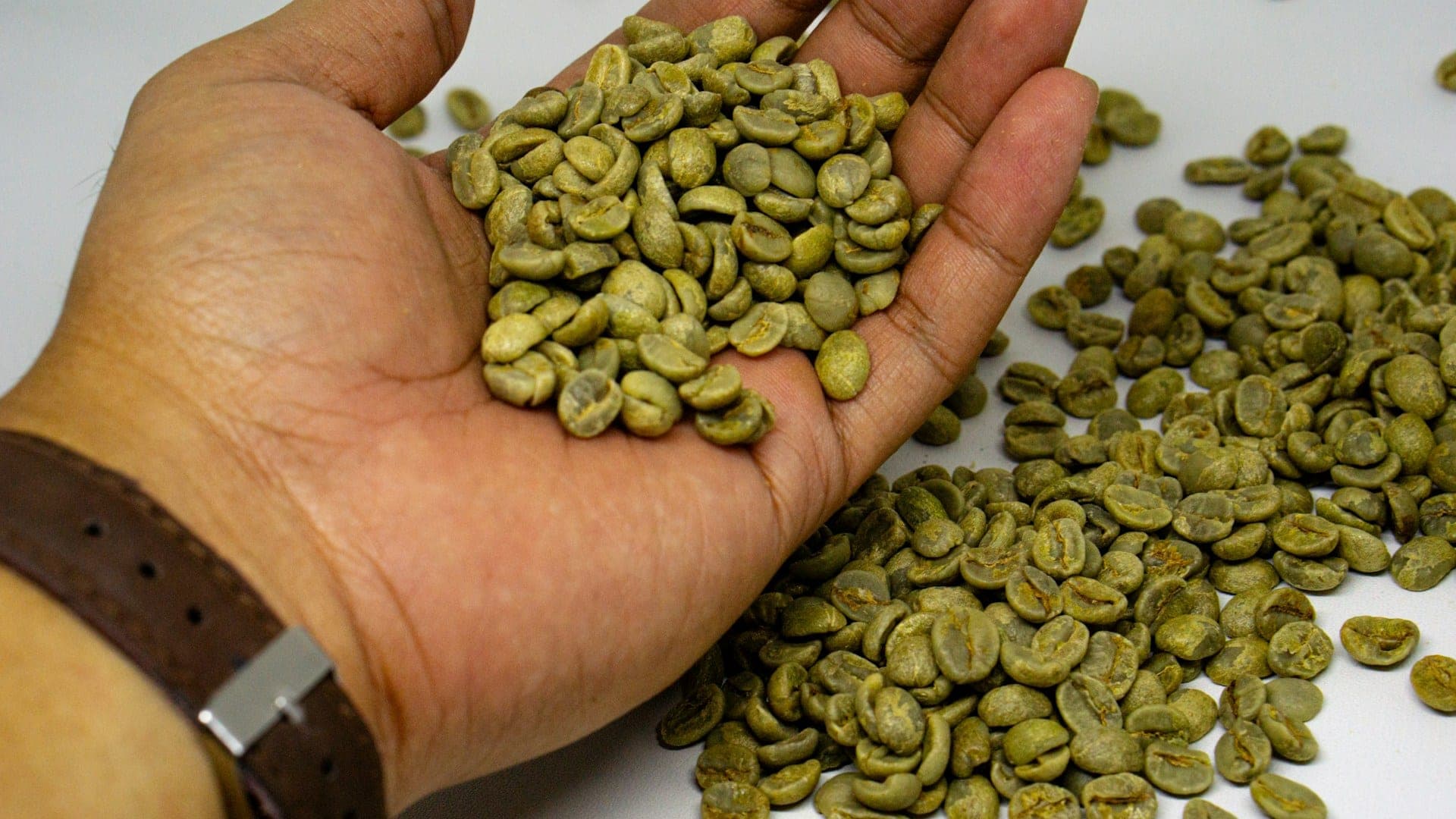
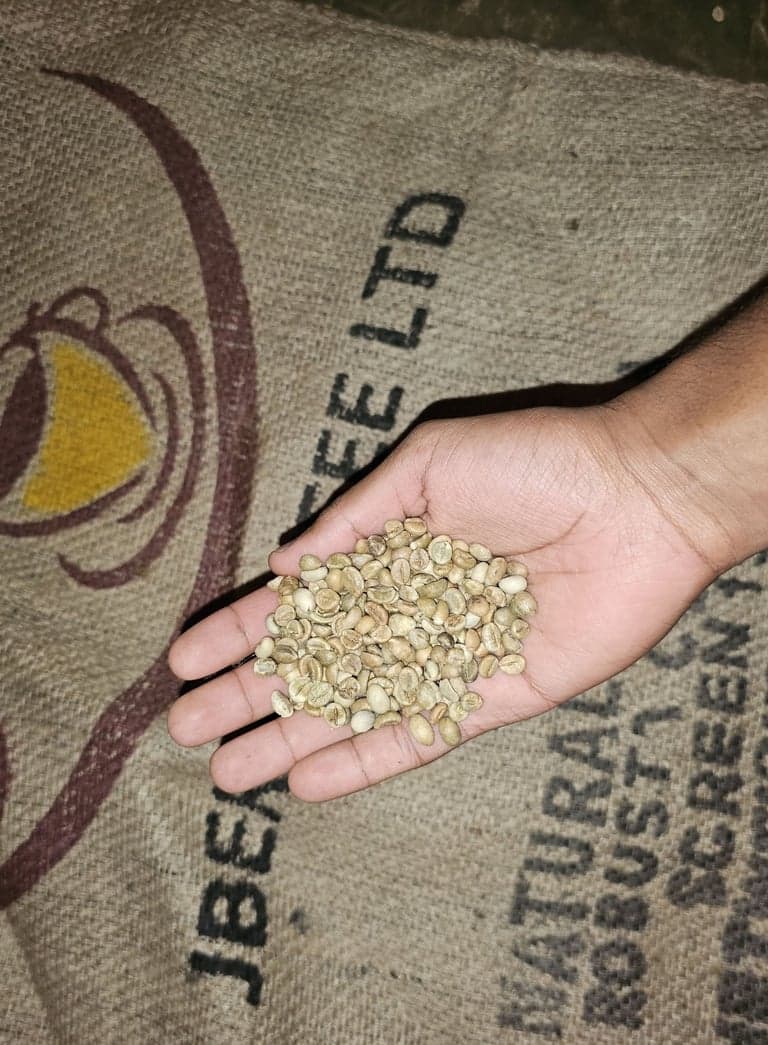
Shallow-focus close view of a single coffee seed, showing the centre cut running down its flat face.

Arabica Green Coffee

Five quite different expressions of Arabica, contracted against an approved sample.

Origins
Tanzania · Kenya · Ethiopia · Rwanda · Burundi · Uganda
Processes
Washed · Washed with soak · Natural · Honey (limited)
Supply
Specialty separations and commercial volume grades
Specification
Grade · Screen · Crop · Moisture · Defects · Cup
Explore Arabica
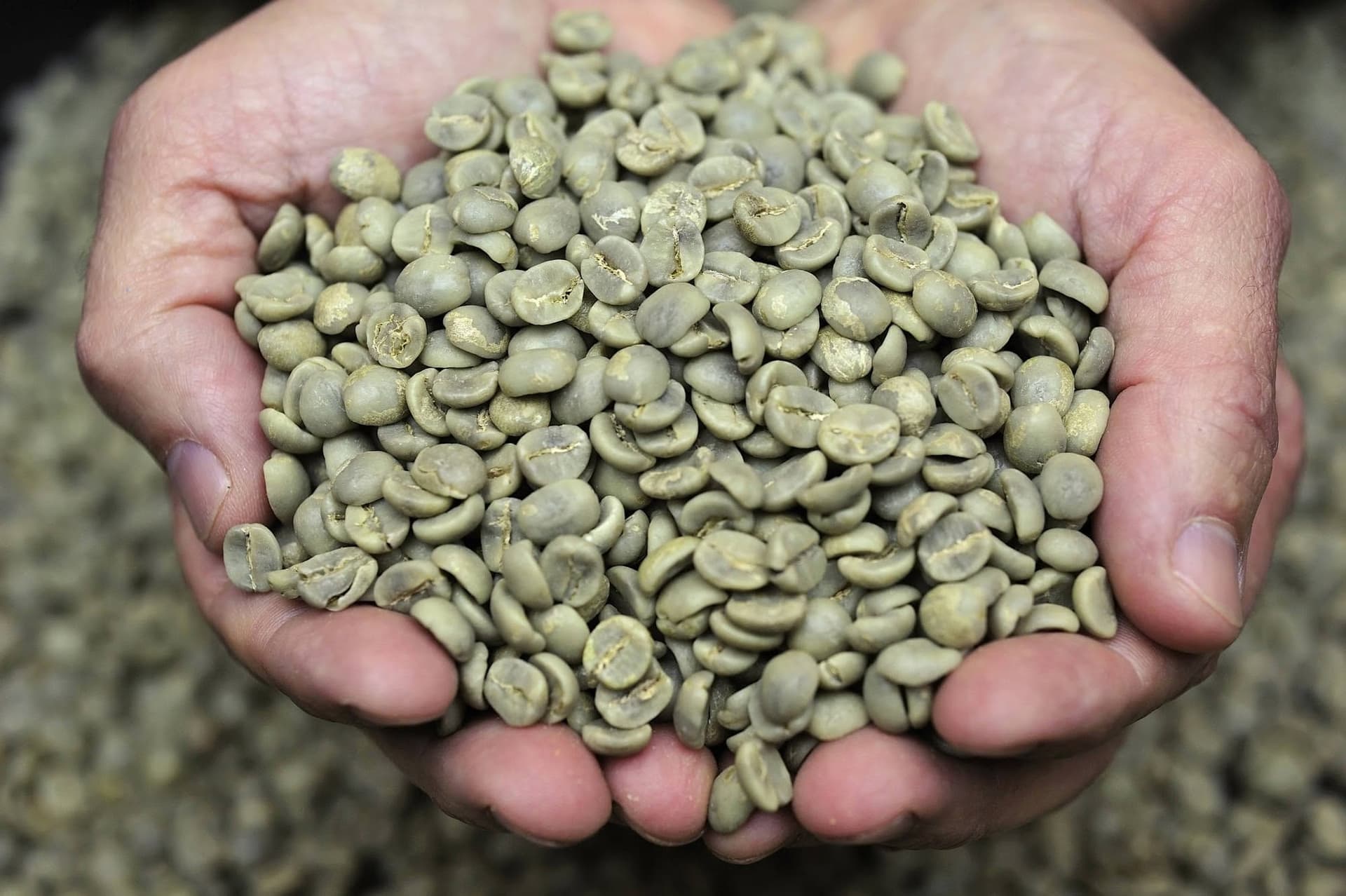
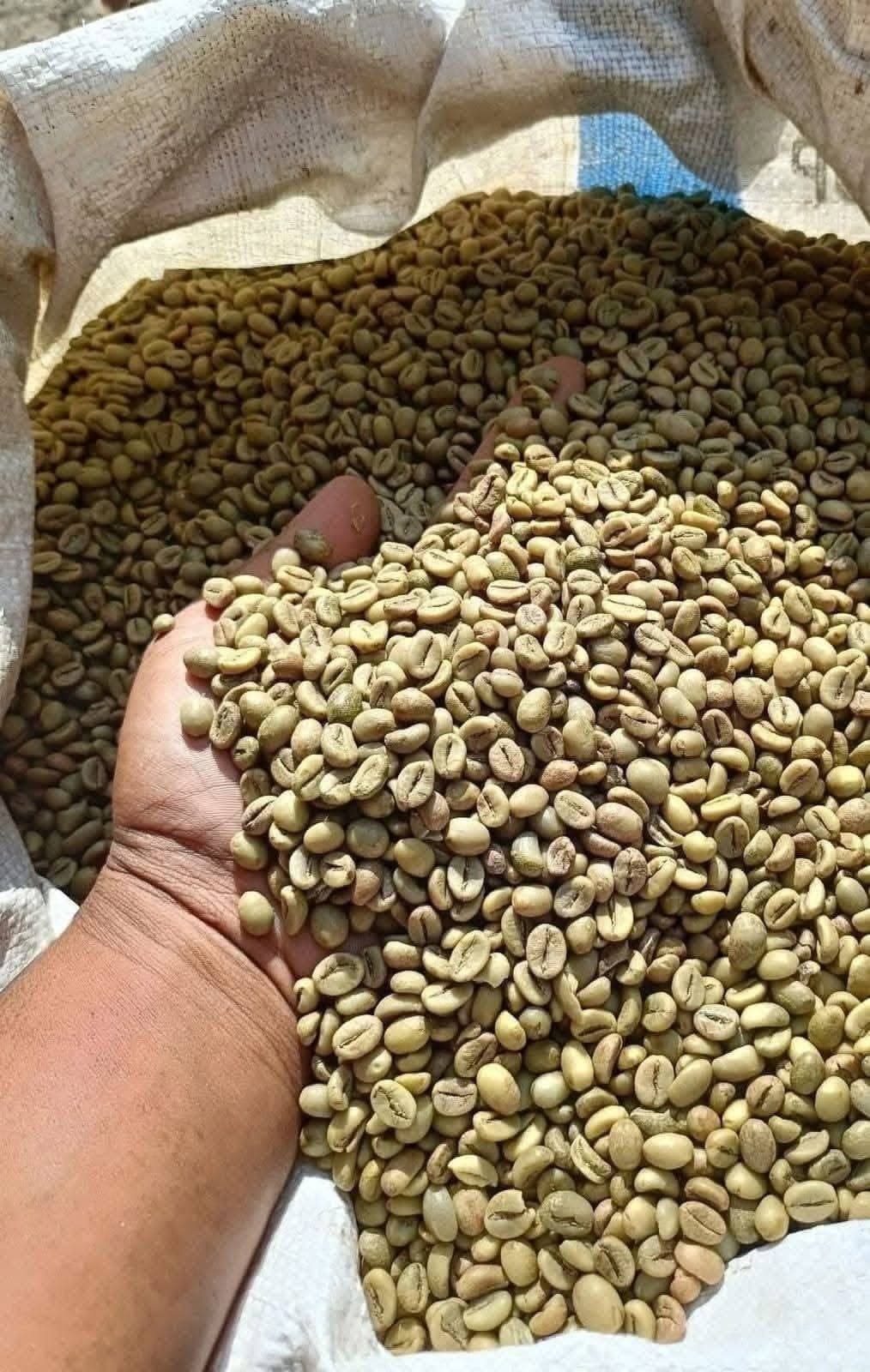
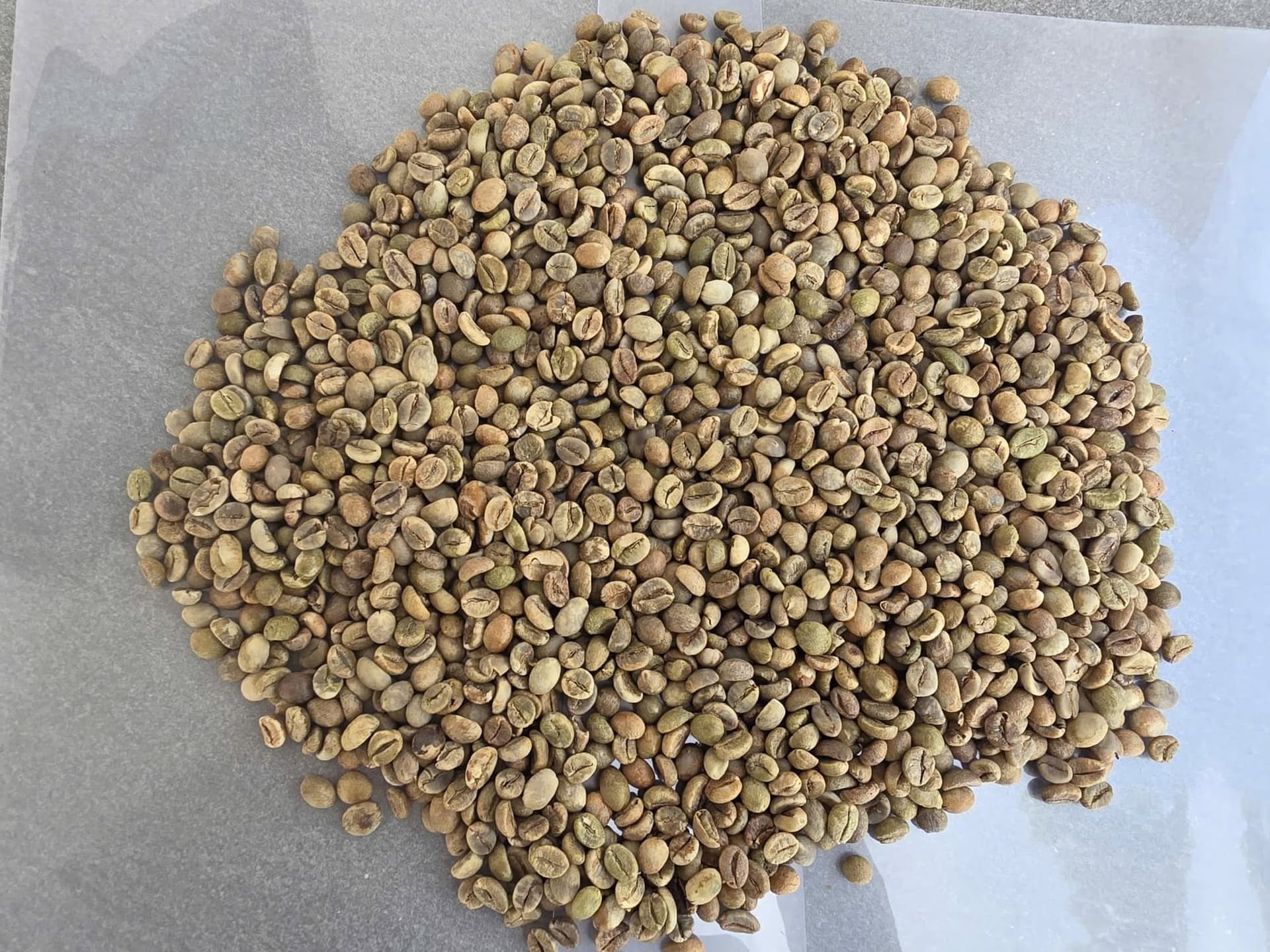
A dense layer of unroasted green coffee beans, each showing the centre cut, with visible variation in size and colour.

Robusta Green Coffee

Bought on screen and defect terms rather than on a letter grade or a cup score.

Primary origins
Uganda · Tanzania (Kagera)
Preparation
Natural; washed in smaller volumes where available
Specification
Screen 12–18 or FAQ · Defect basis · Moisture · Foreign matter
Applications
Roasting · Espresso blending · Soluble and extraction
Explore Robusta

02 · By market segment

Specialty and commercial

Different buying disciplines rather than different quality tiers — the same origins supply both, and the same mill often prepares both.

Specialty against commercial, as a buying decision
SpecialtyCommercial
Bought onLot identity and cupGrade, screen and defect basis
SeparationStation, factory, delivery period or day lotOutturn or blended parcel
ApprovalSample approval before contractType sample against specification
Typical volumeBags to part-containersContainers, often multi-shipment
TraceabilityUsually station level or tighterRegion or country level
RepeatabilitySame station, different coffee each cropHeld to a specification across crops
Neither column is a quality claim. A well-prepared commercial parcel can cup above a poorly separated specialty one — the difference is how the coffee is bought, not how good it is.

Procurement

Specify Green Coffee for Your Requirement

These are the axes a green coffee contract has to fix. Send what you know — anything left open widens the offer rather than blocking it, and we will tell you what each origin realistically supports.

Origin
  • Tanzania
  • Uganda
  • Kenya
  • Ethiopia
  • Rwanda
  • Burundi
Species
  • Arabica
  • Robusta
Process
  • Washed
  • Washed with soak
  • Natural
  • Honey where available
Quality
  • Grade
  • Screen with tolerance
  • Defect basis
  • Moisture
  • Cup specification
Crop
  • Current crop
  • Forward crop
  • Shipment window
Packing
  • 60 kg jute
  • Hermetic liner
  • 30 kg
  • Bulk liner
Shipment
  • FOB
  • CFR
  • CIF
  • Destination port
Certification
  • Organic
  • Fairtrade
  • Rainforest Alliance
  • 4C

Availability

Current Green Coffee

Availability moves with the harvest, with milling and with prior commitments. Everything here is confirmed against the current crop on enquiry.

All current availability
AvailableSpecialty

Ethiopia · Yirgacheffe

Species
Arabica
Process
Fully washed
Grade
Grade 2
Screen
15+
Crop
2025/26
Quantity
120 bags

Jasmine · Bergamot · Lemon

AvailableSpecialty

Kenya · Kirinyaga

Species
Arabica
Process
Fully washed with soak
Grade
AB
Screen
15/16
Crop
2025/26
Quantity
150 bags

Plum · Tomato leaf · Black tea

AvailableSpecialty

Rwanda · Lake Kivu

Species
Arabica
Process
Fully washed
Grade
Grade 1
Screen
15+
Crop
2025
Quantity
100 bags

Orange · Red apple · Caramel

AvailableSpecialty

Tanzania · Kilimanjaro

Species
Arabica
Process
Fully washed
Grade
AB
Screen
15/16
Crop
2025/26
Quantity
2 × 20ft

Citrus · Dark chocolate · Black tea

Reference

Processing methods compared

What each method does to the coffee, what it demands of the mill, and where it actually matters in East Africa.

Processing methods
ProcessMethodTypical cup tendencyProduction considerationsEast African relevance
WashedCherry is pulped, the remaining mucilage is removed by fermentation and washing, and the parchment is dried. The cup reflects the seed and the terroir more than the fruit.Cleaner, more transparent acidity and a lighter body than the same cherry processed dry. Origin and variety character reads more clearly; defects also read more clearly.Requires reliable water, effluent management and disciplined fermentation control. Over-fermentation produces sour and phenolic cups; under-fermentation leaves mucilage that stains parchment and slows drying.The default for Kenya, Rwanda, Burundi and Tanzanian Arabica; a large share of Ethiopian Yirgacheffe and Sidama; the WUGAR designation in Uganda.
NaturalWhole cherry is dried intact, then hulled. The fruit stays in contact with the seed throughout drying, which is what drives the characteristic sweetness and body.Heavier body, lower perceived acidity, pronounced fruit sweetness — berry and tropical notes in Ethiopian lots, dried fruit and spice in Ugandan DRUGAR.The highest-risk process to execute. Uneven drying produces mould, ferment and phenolic taints; the defect is invisible in the green and only shows in the cup. Requires space, labour and settled weather.The default for Ugandan Robusta and Ethiopian Harrar and Djimma; a substantial and growing share of Ethiopian Sidama and Guji; increasing volumes in southern Tanzania.
HoneyCherry is pulped but the mucilage is left on the parchment during drying, in a controlled fraction. Sits between washed and natural in both process and cup.More sweetness and body than washed, more clarity and structure than natural. Acidity is usually rounded rather than sharp.The sticky parchment is prone to clumping and surface mould in the first two days. Requires bed space and labour comparable to naturals with the sorting discipline of washed.Produced in limited volumes across Rwanda, Burundi, Tanzania and Ethiopia. Availability is small and lot-specific, so it should be confirmed rather than assumed.
Semi-washedParchment is removed at an elevated moisture content partway through drying. Rare in East Africa but occasionally encountered in Rwandan "ordinary" preparations.Heavier body, lower acidity, earthy and herbal notes. The green appearance is characteristically dull and bluish.Hulling at high moisture bruises the seed and creates entry points for mould. Not used for specialty separations in this region.Mainly associated with Indonesia. In East Africa it appears occasionally in lower-grade Rwandan and Burundian parcels.
See the processing hub for the unit operations and the mill-side detail.

Request an offer

Request Current Crop Offer

Origin, species, process, grade, screen, crop year, volume and destination. Send what you have — if the specification is not fixed yet, describe the role the coffee plays and we will propose one.