Green coffee
Washed Green Coffee
- Availability
- All six origins
- Method
- Fermentation + wash
- Soak as standard
- Kenya · Burundi
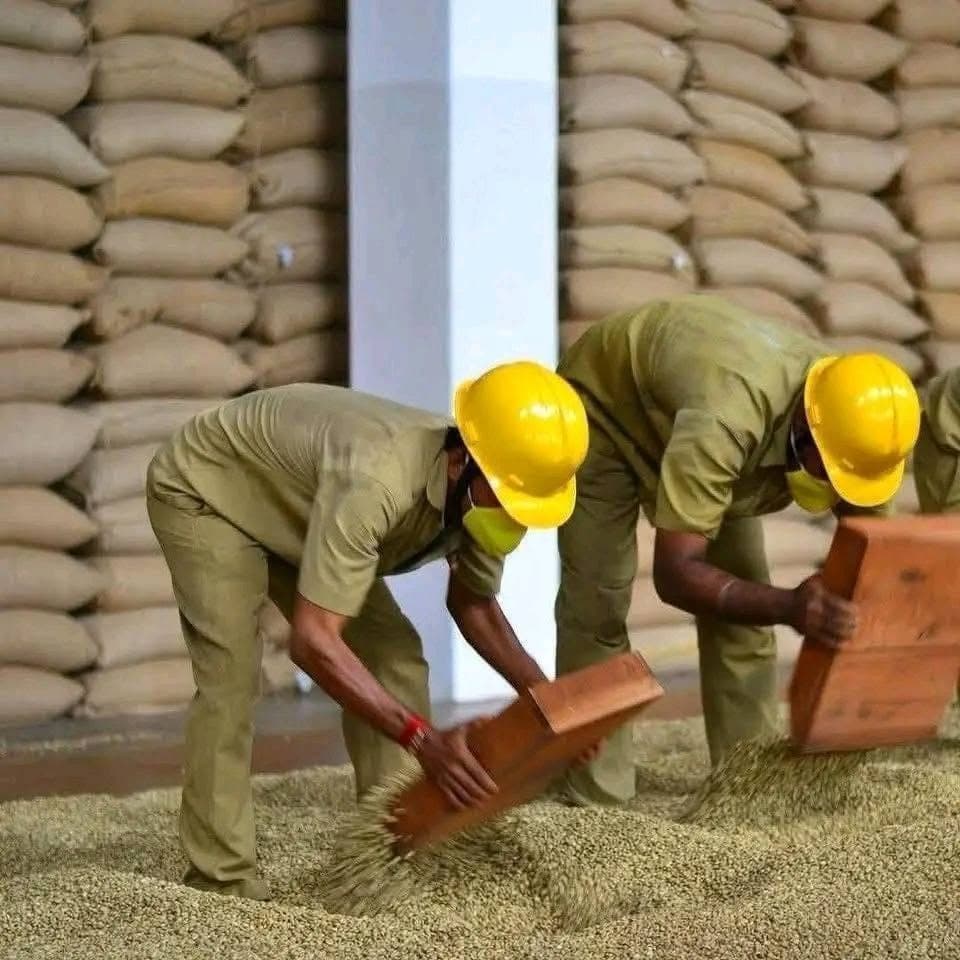
Washed Coffee from six East African origins
- TanzaniaFully washed · NaturalAA · A · ABJune–October in the south; July–December in the north
- UgandaNatural (Robusta) · Washed Arabica (WUGAR)Screen 18 · Screen 17 · Screen 15Robusta main crop November–February with a fly crop April–July; Elgon Arabica October–February
- KenyaFully washed with soak · Mbuni (natural)E · AA · ABMain crop October–December; early (fly) crop May–July
- EthiopiaFully washed · Natural (sun-dried)Grade 1 · Grade 2 · Grade 3October–January, varying by region and altitude
- RwandaFully washed · Natural (growing)Grade 1 (fully washed) · Grade 2 · Screen 15+March–July, with the peak in April and May
- BurundiFully washed with soak · Natural (limited)Grade A · Grade B · Screen 15+March–July
Quick answer
Washed coffee is the default preparation across most of East Africa. We supply fully washed lots from all six origins, including the soak-processed styles standard in Kenya and common in Burundi, from station-level specialty separations through to commercial volume grades.
Washing is not one process
The wet processing page covers the mechanics. What matters commercially is that stations make different choices within it, and those choices have a sensory signature.
| Origin | Style | Signature |
|---|---|---|
| Kenya | Fermentation, wash, then a clean-water soak | Clarity and structure; the soak is central to the classic Kenyan cup |
| Burundi | Fermentation with soak, common at stations | Clean, tea-like, juicy |
| Rwanda | Fermentation and channel grading | Silky body, orange and caramel sweetness |
| Ethiopia | Fermentation and washing, often with grading channels | Floral and citric clarity |
| Tanzania | Fermentation and washing at AMCOS central pulperies | North firmer and structured; south rounder and sweeter |
| Uganda | WUGAR / Bugisu preparation on Mount Elgon | Fuller-bodied and winey than the regional average |
The grading channel deserves a mention: in much of East Africa the washing step also separates by density, and the resulting fractions are often kept apart through drying. When a station offers you separations from the same day’s cherry at different price points, this is usually where they came from.
What washed processing gives you commercially
- Consistency. Batch-to-batch variation is lower than for naturals, which matters for a repeating blend.
- Transparency. Origin character reads clearly, which is what makes single-origin offerings work.
- Predictable roasting. More uniform moisture and density distribution than dry-processed lots.
- Exposed faults. Nothing masks poor cherry selection — which is a risk for the producer and a benefit for the buyer.
Specifying washed lots
- Process detail
- Fully washed, or washed with soak — state which if it matters
- Traceability
- Station or factory identity; delivery period for tighter separations
- Grade and screen
- Per the origin’s system, with tolerance
- Defects
- Maximum full defects and the counting basis
- Moisture and water activity
- With methods stated
- Drying substrate
- Raised beds or patio, where it matters to you
- Rest period
- Time in parchment before hulling
- Packaging
- Hermetic liner recommended for long storage
Washed lot enquiries
Tell us the origin, separation level and profile. We will confirm what the current crop supports, with the station identified.
Request Current Crop OfferCurrent crop
Current Washed Coffee
Availability is confirmed on enquiry
We do not publish a standing stock list for washed coffee. What can be offered depends on the harvest in progress, what has been milled and what is already committed, so each offer is confirmed against the current crop when you ask — with the lot’s specification and the date its position was checked.
For when each origin typically ships, see the coffee crop calendar.
Quality
How we evaluate washed coffee
Every parcel is assessed on the same sequence before it is offered, and again before it is loaded. What is reported for a given lot depends on what the buyer specifies.

- 01Physical gradePreparation class against the origin’s own system
- 02Screen distributionRetention plus the percentage passing
- 03Defect analysisFull defects per 300 g on a stated weighting table
- 04MoistureRange plus the measurement method and instrument
- 05Water activityWhere the buyer specifies it, for storage stability
- 06DensityBulk density in g/L, for roast planning
- 07Sample roastTo a cupping profile, not a commercial roast
- 08CuppingMultiple cups, against the approved sample
- 09Buyer approvalThe retained sample the shipment is measured against
Export
Packaging and export
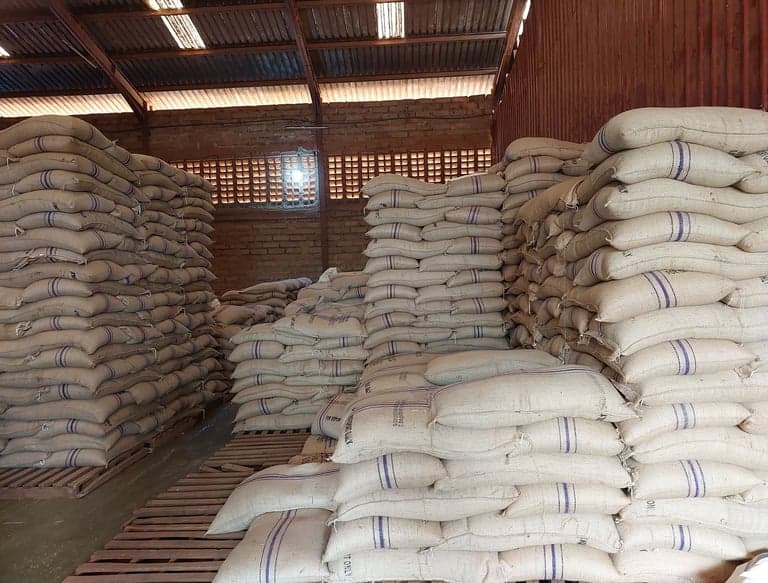
Packaging is specified at contract stage rather than requested afterwards, because it changes both the price and the container arithmetic. Four of our six origins are landlocked, which makes the inland leg the largest single source of schedule variance — shipment windows are built around port arrival, not mill readiness.
Questions
Frequently asked questions
What does "fully washed" mean?
What is a soak and which origins use it?
Are washed lots more consistent than naturals?
Do you supply washed Robusta?
Keep reading
Related technical guides
The reference material behind the specification fields on this page.
Request an offer
Tell us the washed coffee you need
Origin, region, process, grade, screen, moisture, defect tolerance, crop year and packaging. Send what you know and we will confirm what each origin realistically supports for the current crop.