Arabica Green Coffee
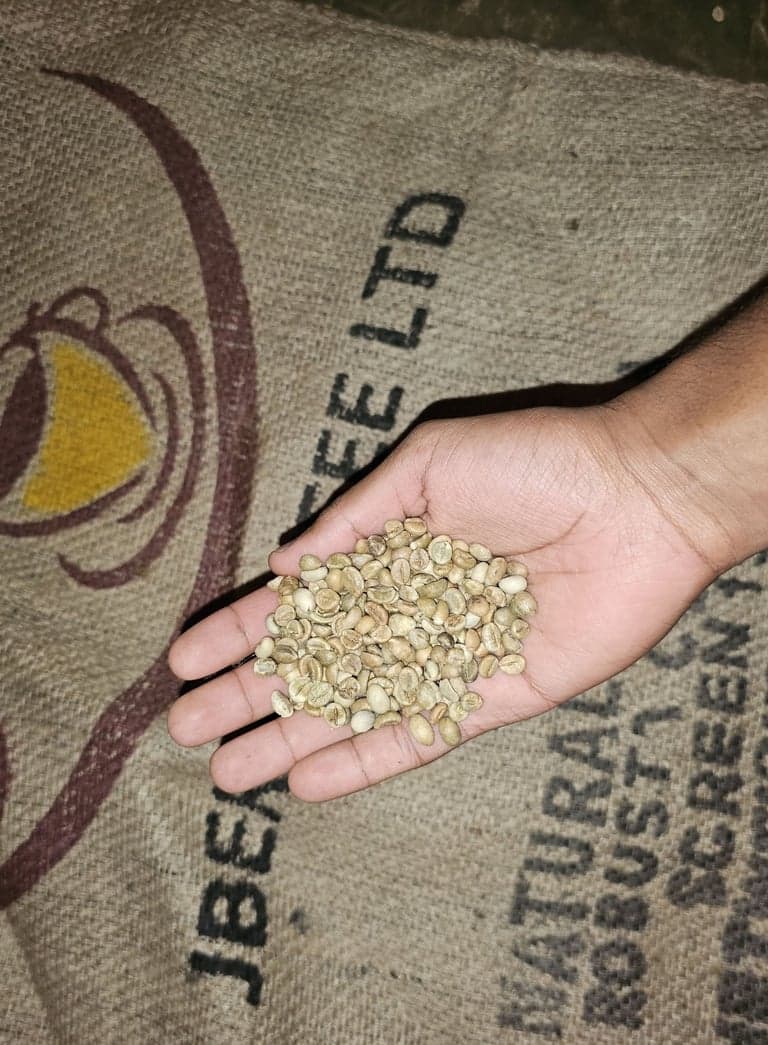
Washed and natural Arabica from all six origins, specialty through commercial.
- Species
- Coffea arabica
- Origins
- Tanzania · Kenya · Ethiopia · Rwanda · Burundi · Uganda
- Format
- 60 kg jute, liner on request
East African coffee, supplied at origin
Jber Coffee Limited supplies Arabica and Robusta green coffee — specialty and commercial — from Tanzania, Uganda, Kenya, Ethiopia, Rwanda and Burundi to importers, roasters, traders and industrial buyers worldwide.
Ugandan coffee is milled and graded in our Kampala facility; the other five origins are prepared at established mills at origin. Every lot is analysed and cupped against its approved sample before it ships.
Catalogue
Coffees can be sourced by origin, species, process, grade, screen, crop year, cup requirement and — where available — certification.
Washed and natural Arabica from all six origins, specialty through commercial.
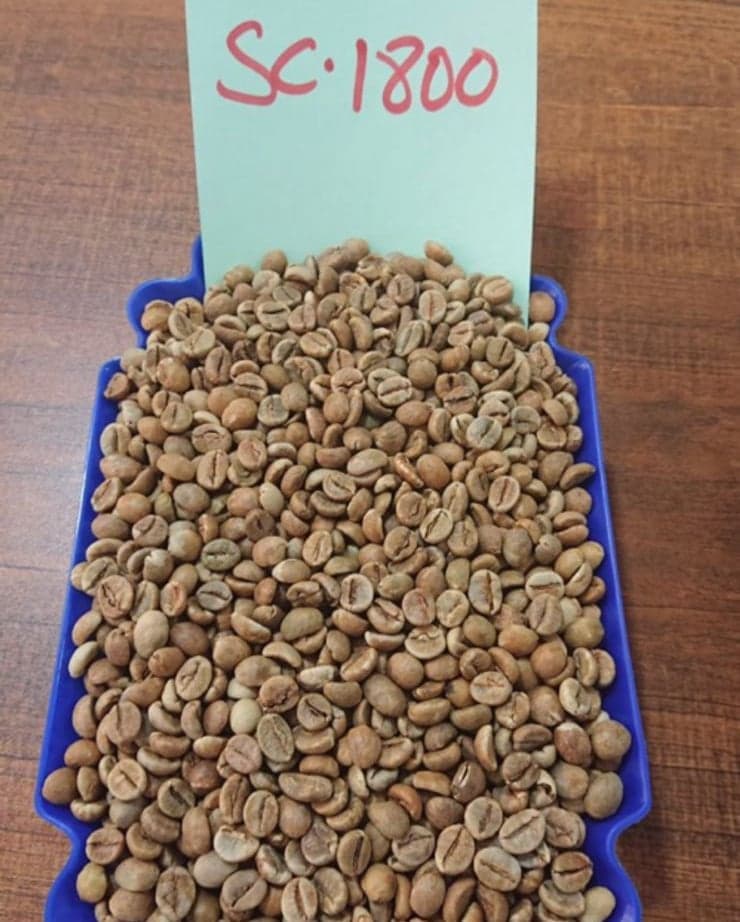
Screen-graded natural Robusta, contracted on screen, defect and moisture terms.
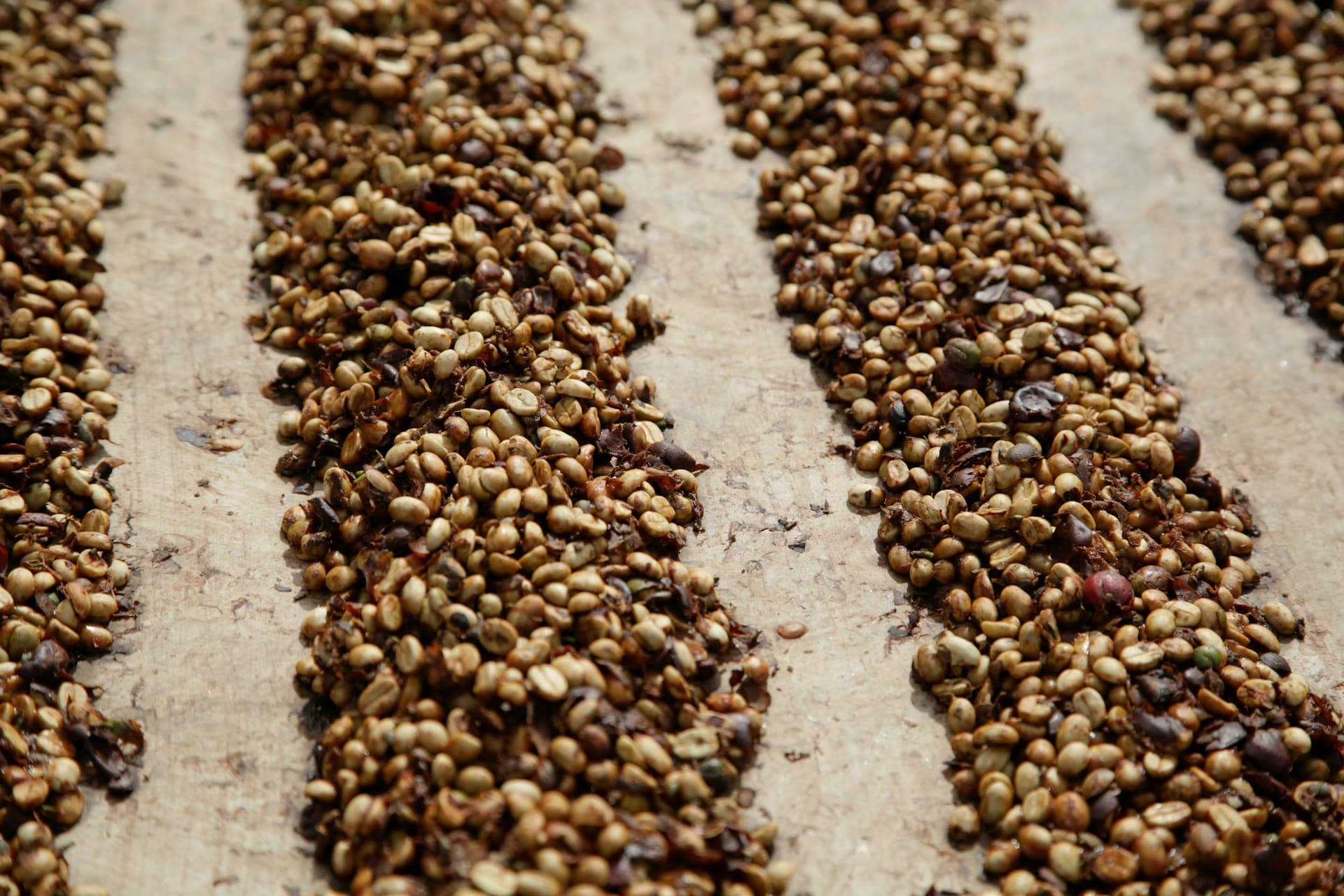
The default preparation across most of East Africa, including soak-processed styles.
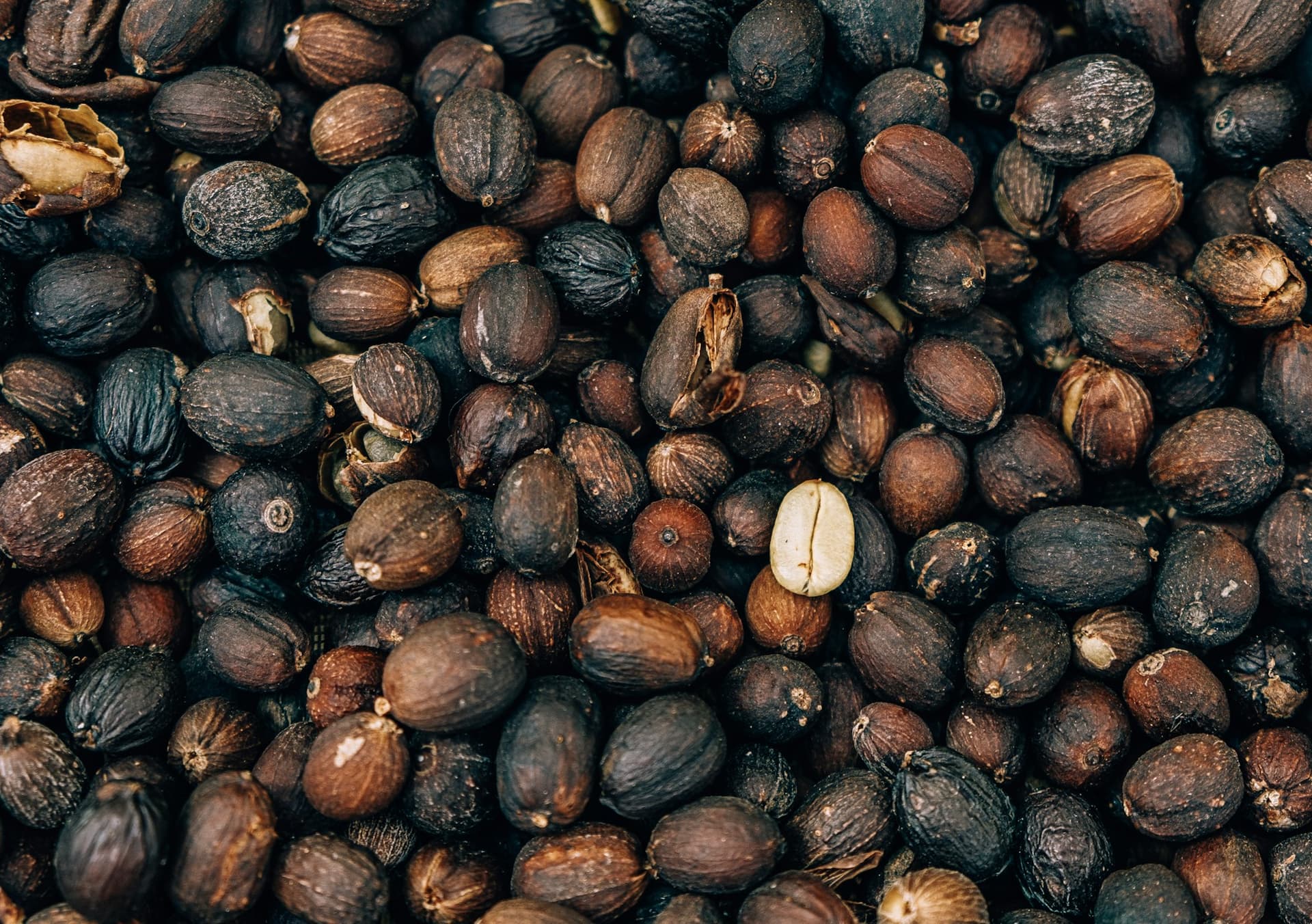
Dried whole cherry — the widest quality range we handle, from Guji to commercial Djimma.
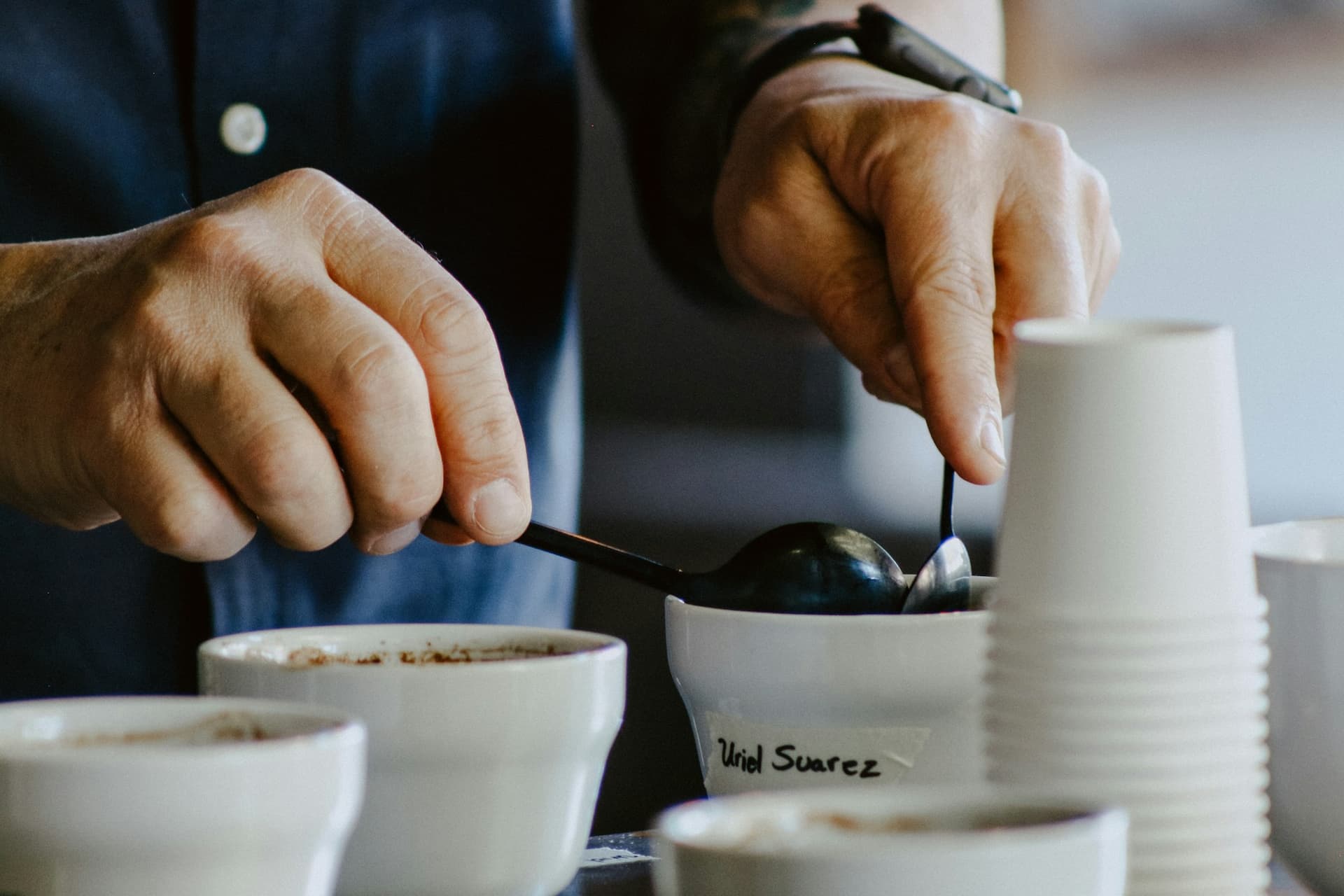
Defined by how tightly the coffee is separated — station, delivery period or day lot.
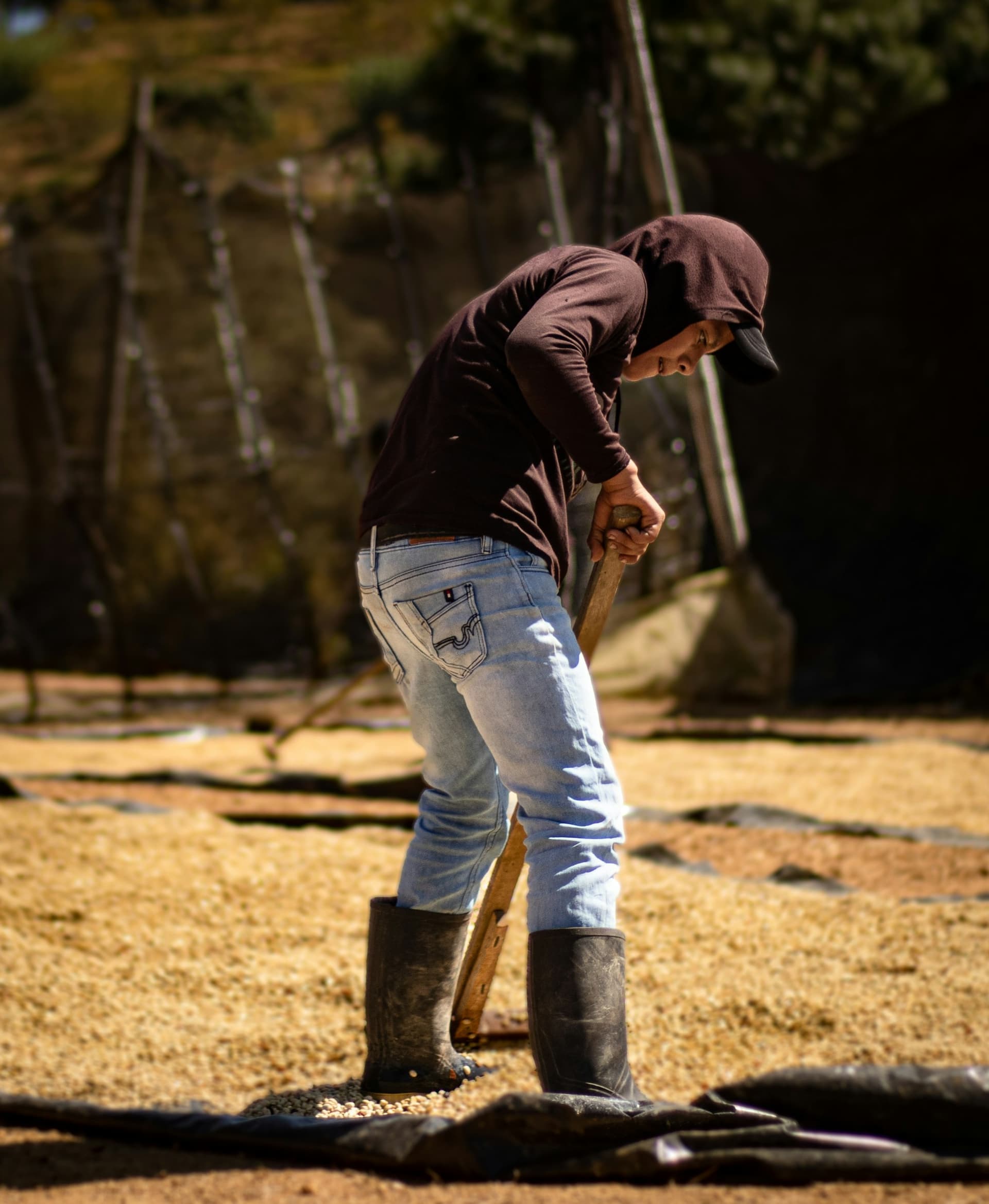
Bought on specification and consistency, usually as a programme across a season.
Sourcing map
Harvest windows barely overlap, which makes sourcing across the region a scheduling advantage as well as a range one. Select an origin to see its species, regions, harvest and grades.
Tanzania
Tanzania Coffee Board (TCB): licensing, auctions at zonal centres, and registration of direct export contracts
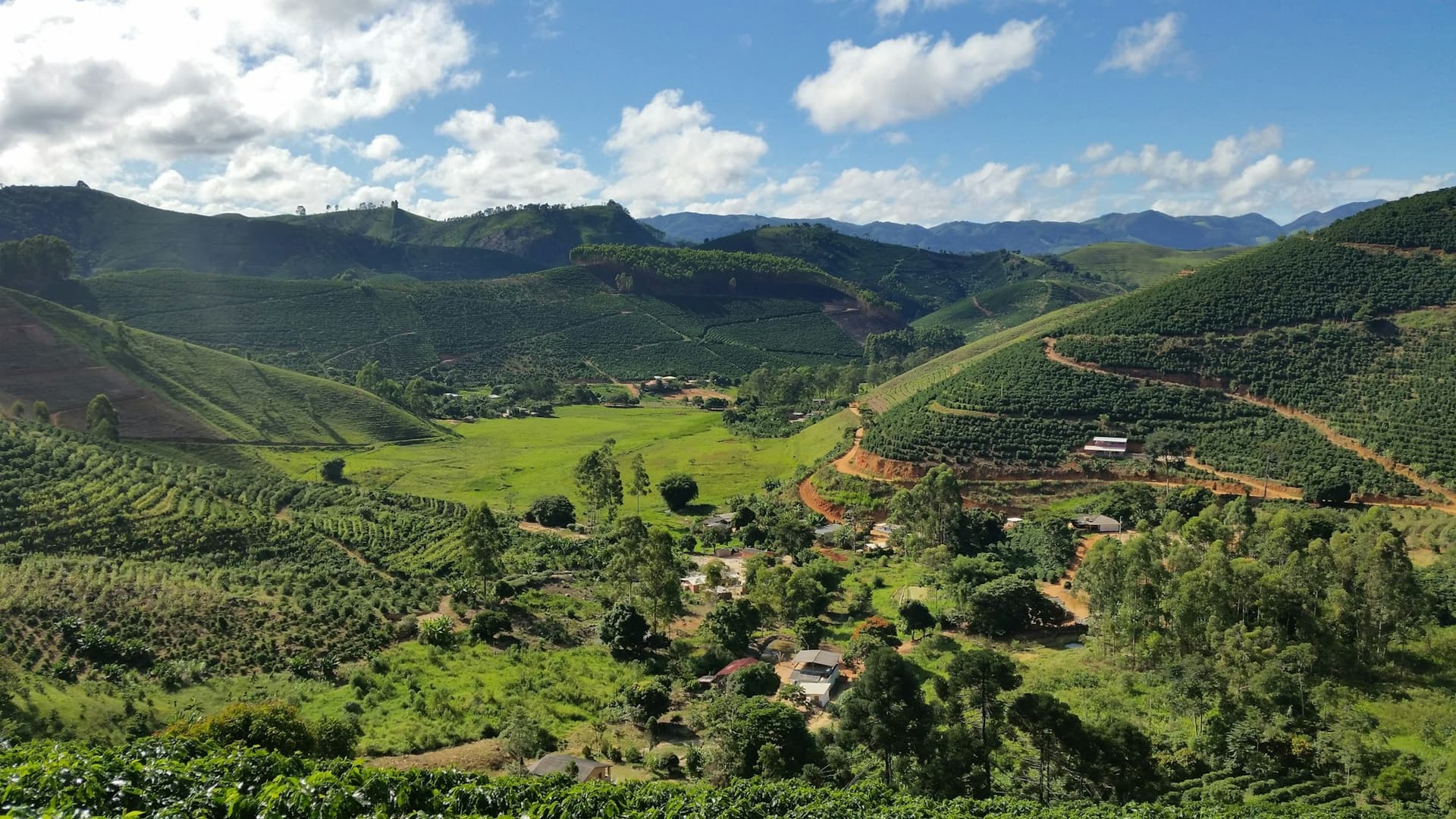
Washed Arabica from the northern and southern highlands, plus dry-processed Robusta from Kagera.
Origins
Each origin runs its own grading vocabulary, harvest cycle and export practice. These are the terms you will see on an offer sheet.
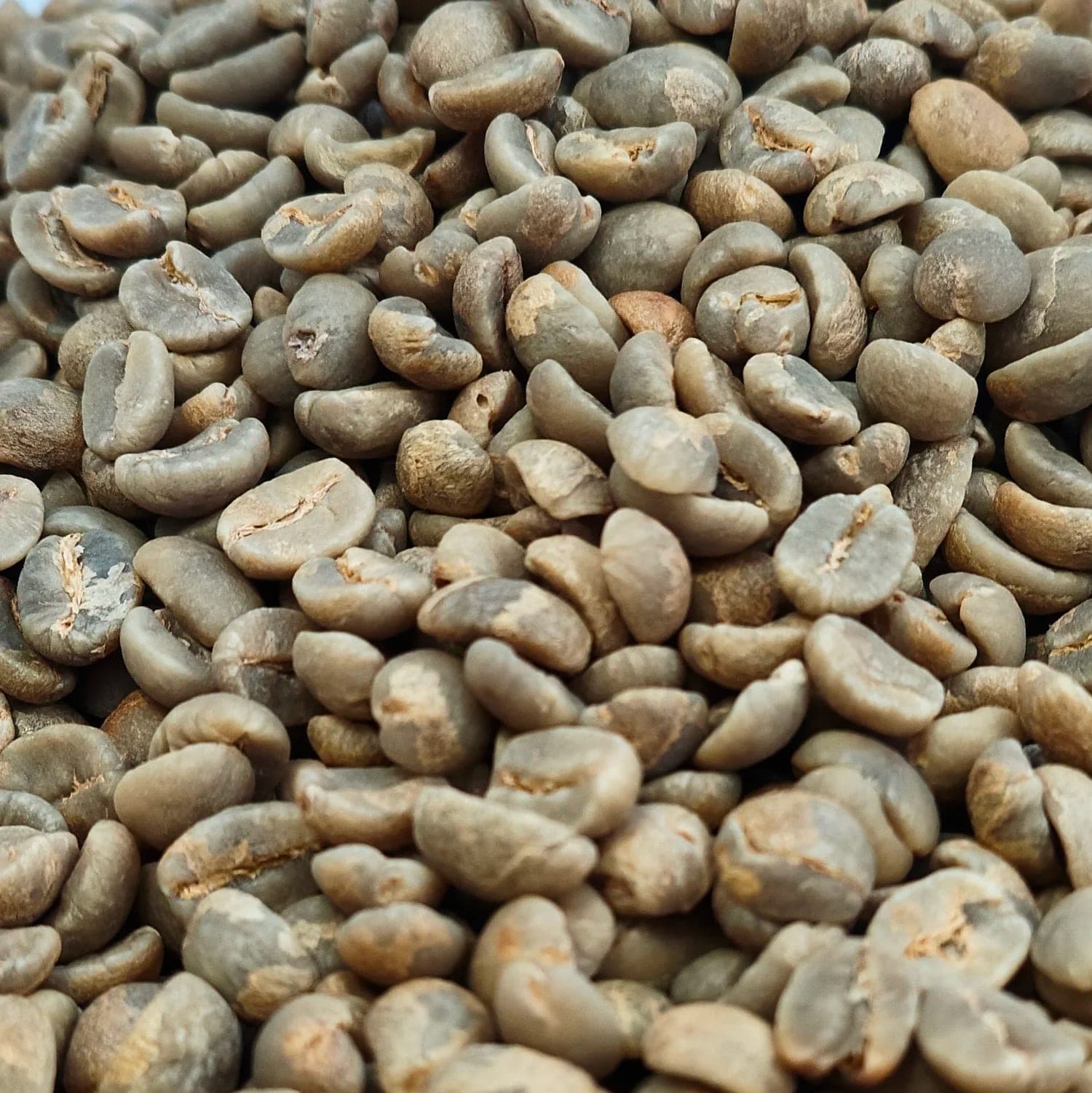
Arabica · Robusta · AA · AB · PB
Explore Tanzania coffee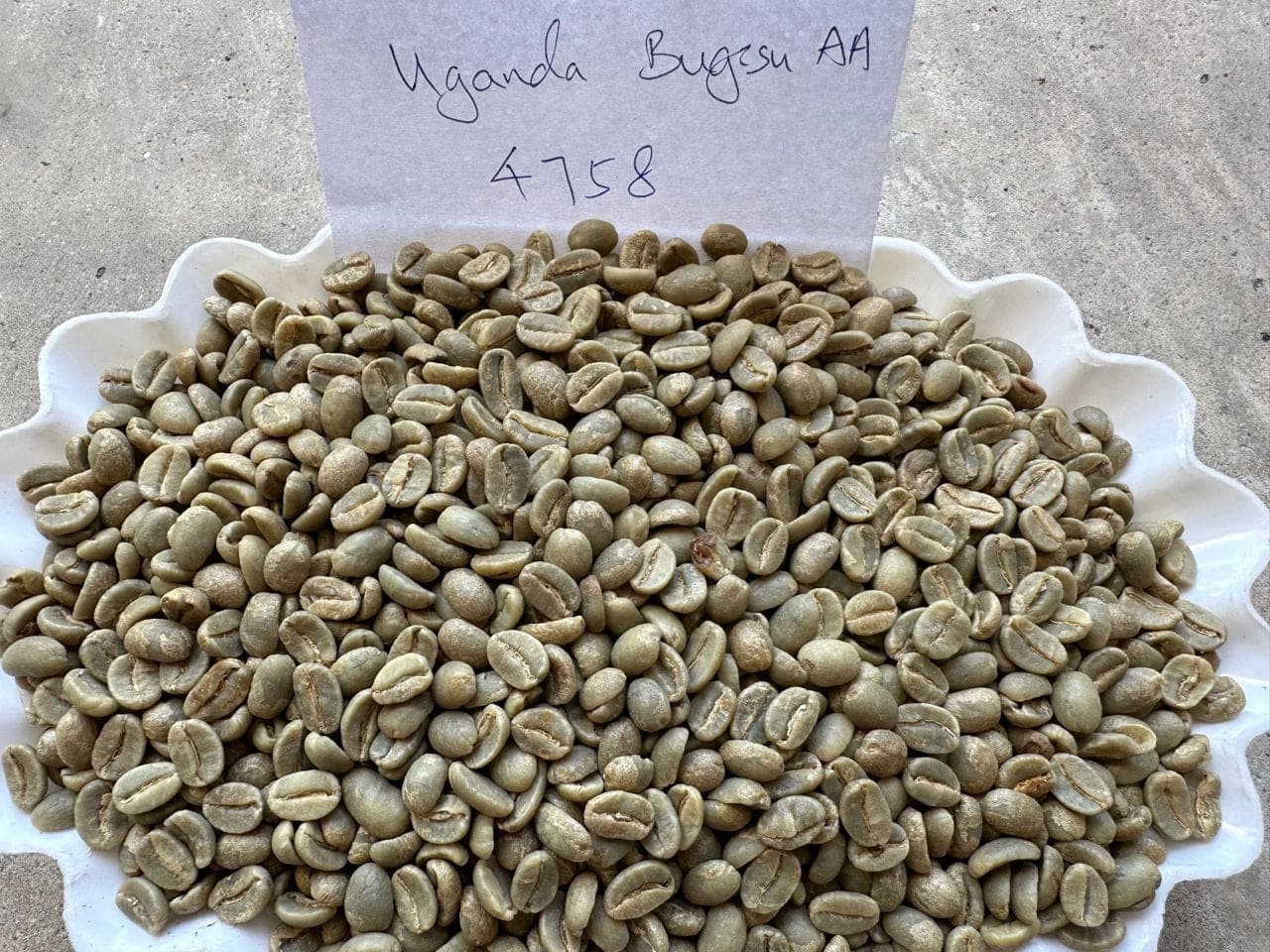
Robusta · Arabica · Bugisu · Screen 12–18
Explore Uganda coffee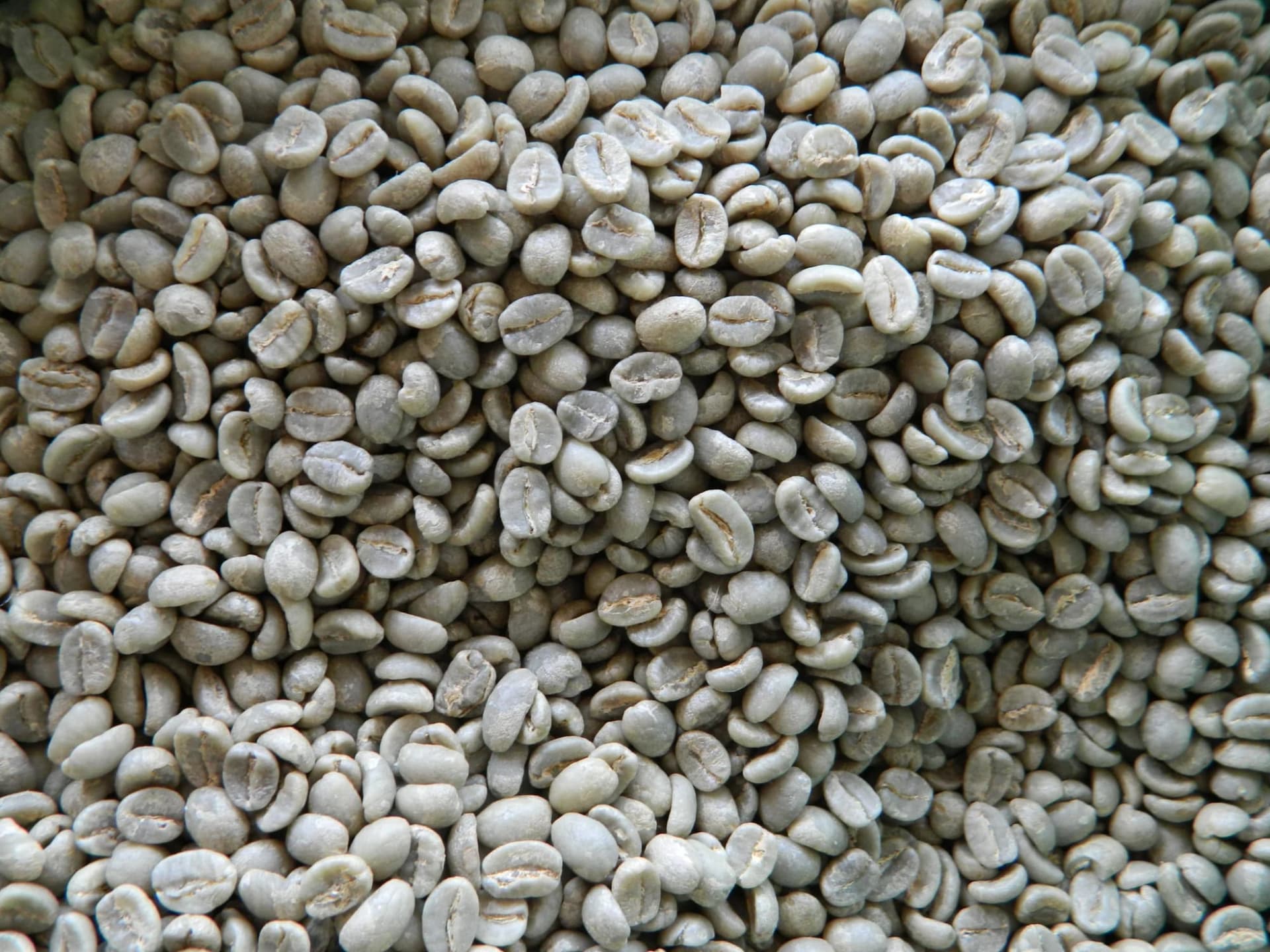
AA · AB · PB · Washed with soak
Explore Kenya coffee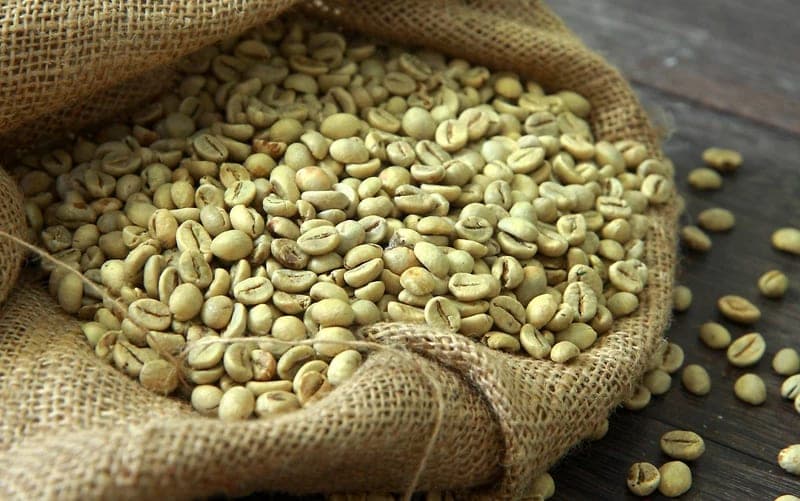
Yirgacheffe · Sidama · Guji · Limu · Washed · Natural
Explore Ethiopia coffee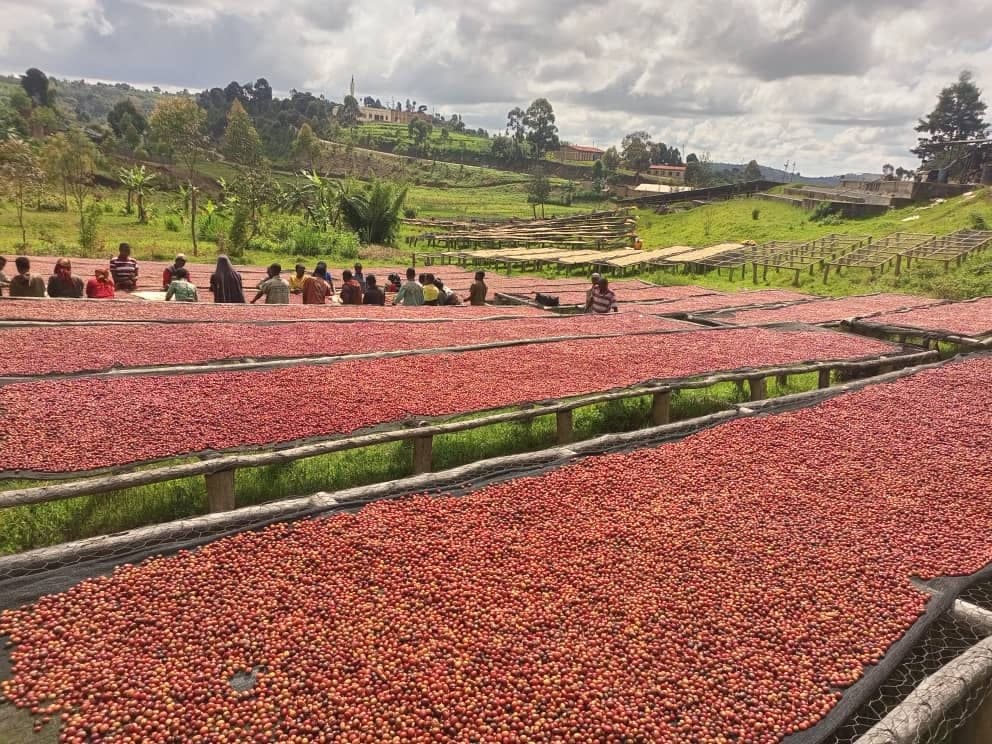
Washed Bourbon · Grade 1 · Station lots
Explore Rwanda coffee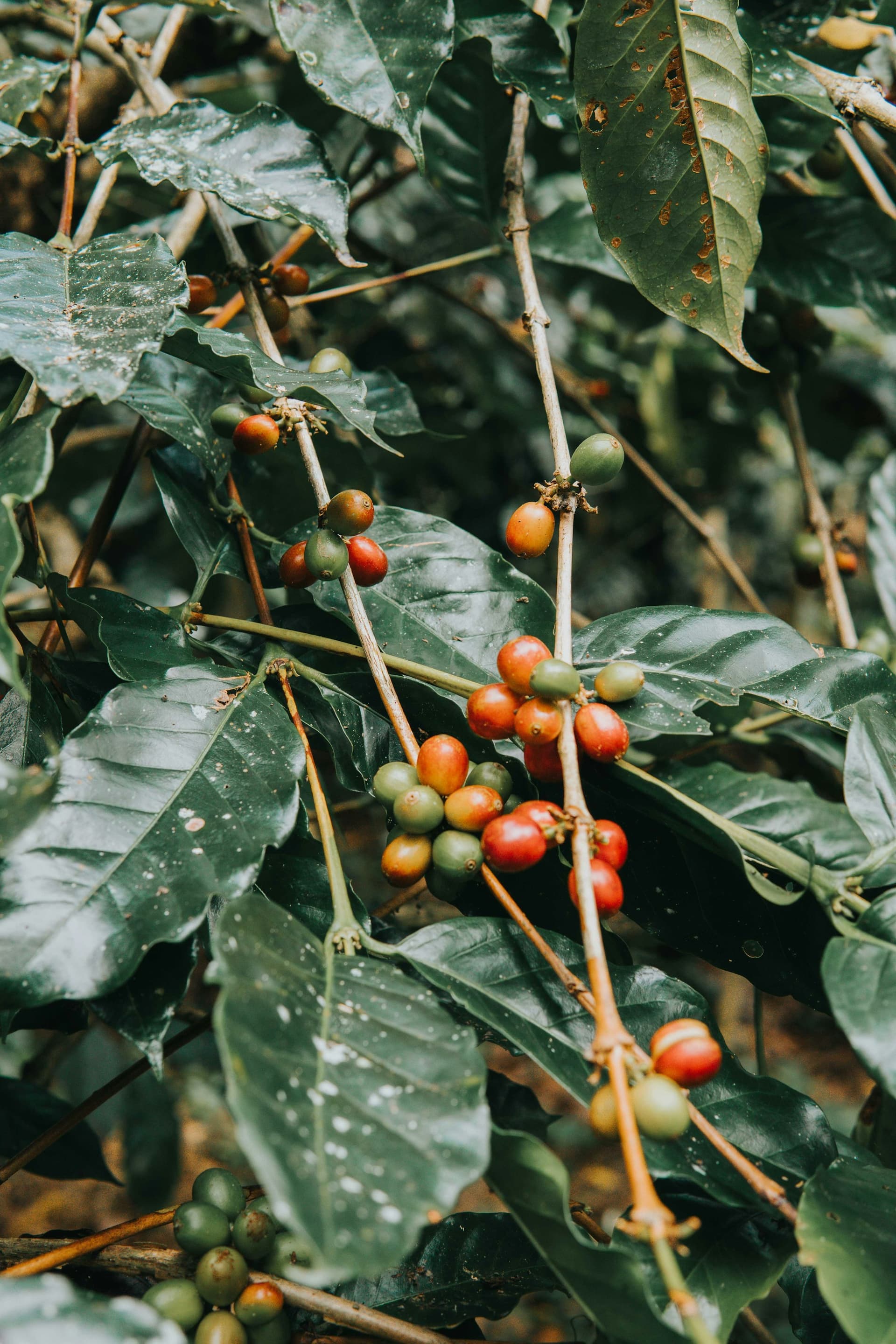
Washed Bourbon · Grade A · Colline lots
Explore Burundi coffeeHow sourcing works
Eight steps. The two that absorb most of the effort — and most of the risk — are milling to the approved standard and the loading itself.
Quality
Six figures decide whether a parcel is what the contract says it is. Each is reported with the method behind it, because a number without a method is not comparable with your own measurement.
Current crop
Availability is confirmed on enquiry
We do not publish a standing stock list for East African green coffee. What can be offered depends on the harvest in progress, what has been milled and what is already committed, so each offer is confirmed against the current crop when you ask — with the lot’s specification and the date its position was checked.
For when each origin typically ships, see the coffee crop calendar.
Processing
The largest lever available at origin, and the one a buyer can specify most directly. These describe tendencies — execution decides the result.
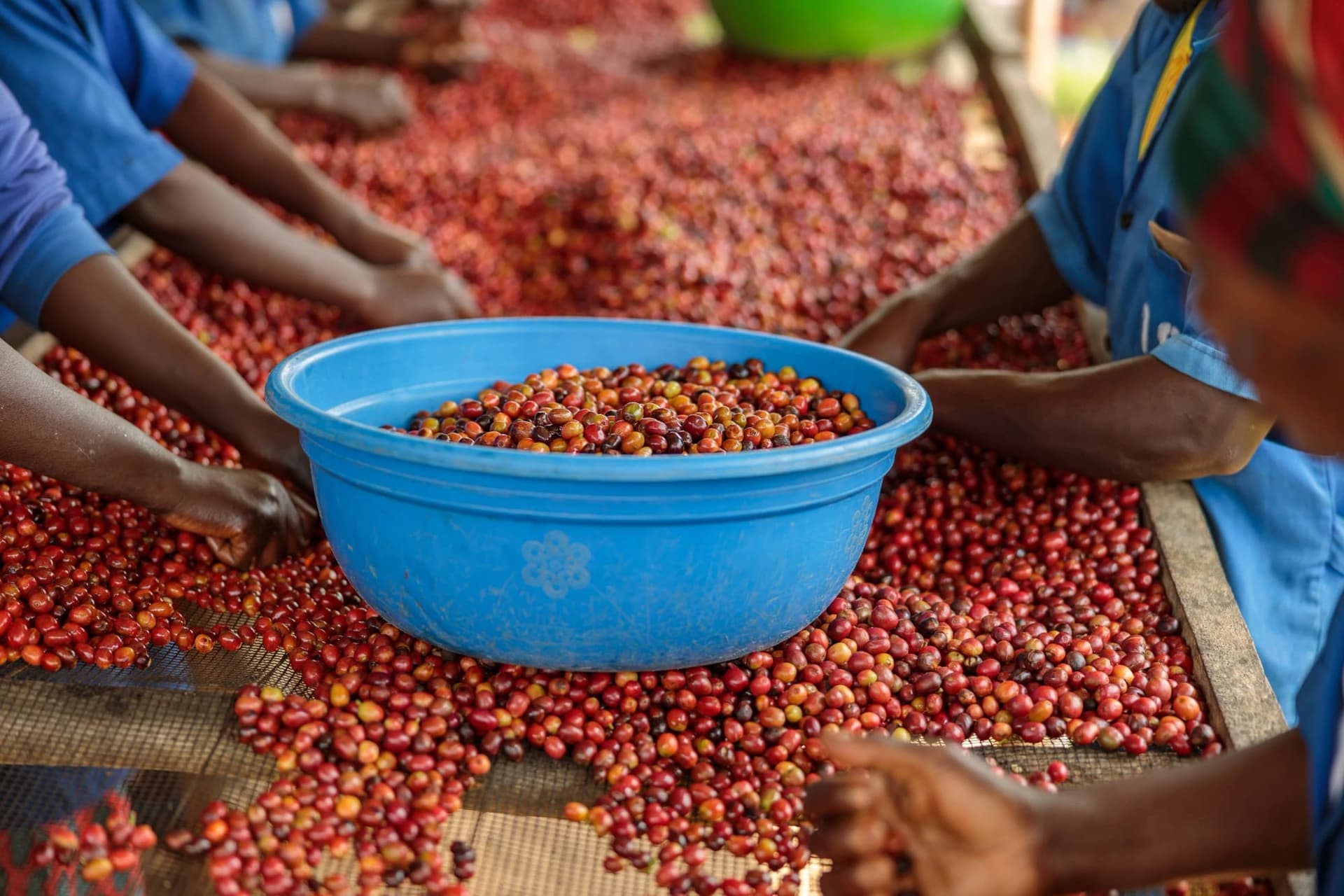
Cherry is pulped and the mucilage removed before drying, so the seed dries in parchment rather than in fruit.
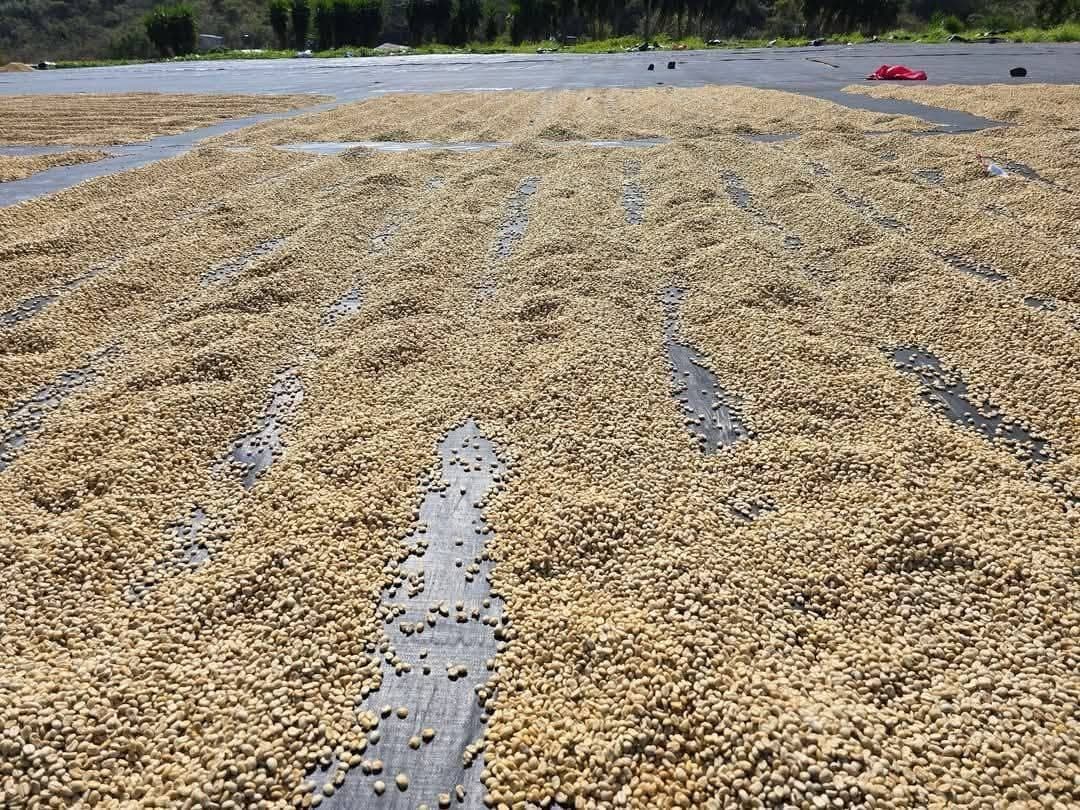
Whole cherry is dried intact and hulled afterwards, so the fruit stays in contact with the seed throughout drying.
Honey and other processes
Honey lots are produced in small quantities across Rwanda, Burundi, Tanzania and Ethiopia. They are a station’s deliberate separation rather than a standing category, so availability is confirmed against the current crop rather than assumed — see honey processing. Descriptions above are tendencies; execution decides the result.
Secondary category
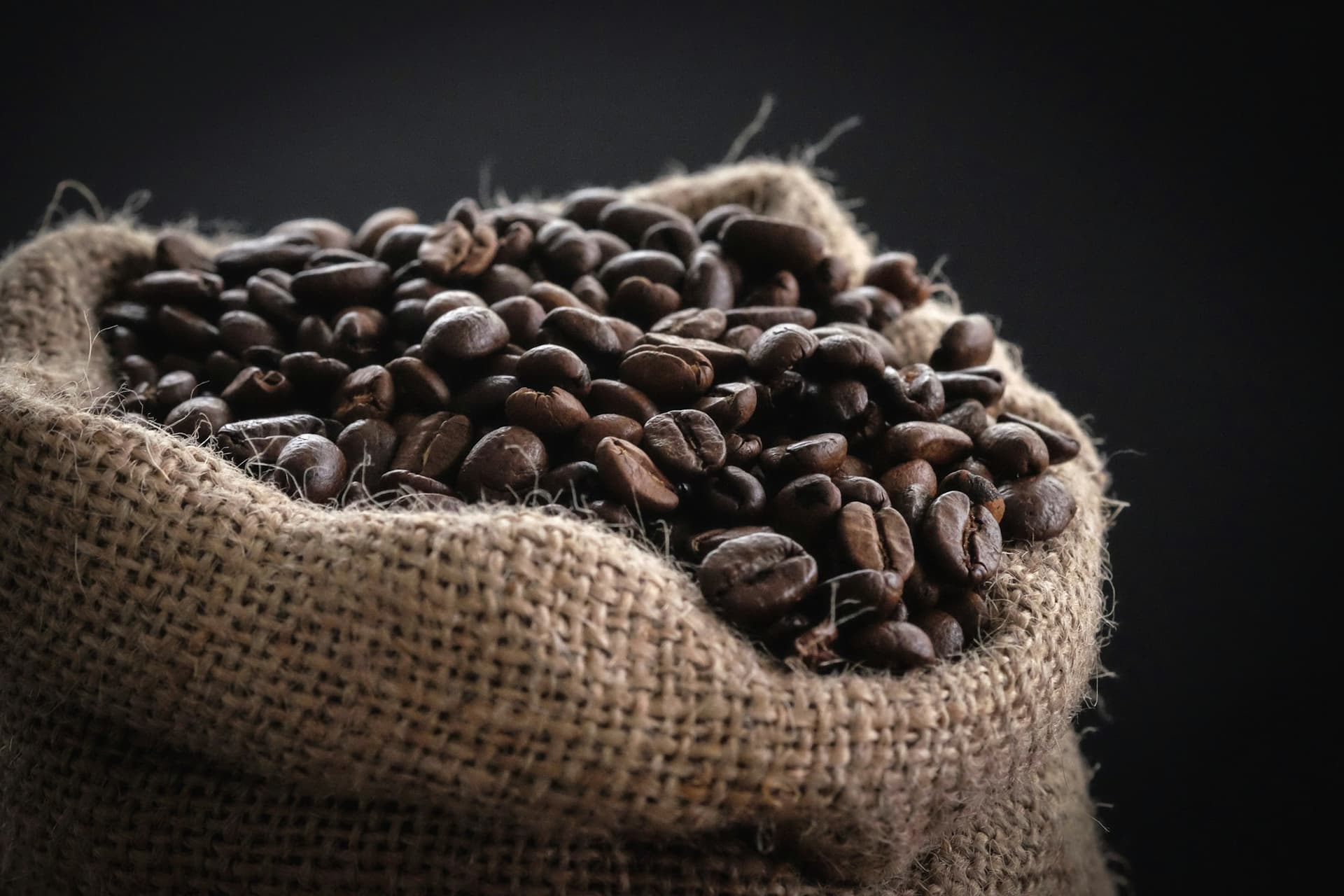
Bulk roasted and ground coffee may be supplied for distributors, industrial buyers and foodservice channels according to product specification and commercial availability. Green coffee remains the business; this sits downstream of it.
No private label, OEM or brand development. Coffee is supplied against a product specification, not as a consumer brand.
Explore Roasted CoffeeExport
Packaging, container planning, inspection and documentation — the operational half of the transaction, and the half where an otherwise well-bought coffee most often goes wrong.
There is no universal bags-per-container figure
The binding limit is the lowest of the container’s payload plate, the shipping line’s stated maximum and the road weight limits on the origin and destination legs. Our calculator does the arithmetic on figures you supply, and refuses to assume a payload.
20ft dry container
40ft dry container
Schematic only — bag count is not to scale and is not a load figure. Actual loading is limited by the container’s payload plate, road weight limits on the origin leg, the shipping line’s stated maximum and the stow pattern used.
Traceability & EUDR
Traceability breaks at aggregation points, so what is achievable is set by where those points are. These are the levels that actually exist — not a claim that every lot reaches the last one.
Farm / plot
Producer identity, plot geolocation
Wet mill / station
Delivery record, day lot
Dry mill
Outturn or milling batch number
Warehouse
Lot identity, storage conditions
Container
Bag count, seal number, stuffing record
What we do not claim
No lot is described as “EUDR compliant” — compliance is a property of an operator’s due diligence process, not of a parcel of coffee. Where geolocation coverage for a supply base is partial, we say so, with the denominator stated.
Buyer resources
The reference material behind every offer we send — written to answer the questions that come up on real enquiries.
Request an offer
Lots can be specified by origin, region, process, grade, screen, moisture, defect tolerance, crop year and packaging. Send what you know — anything left blank widens the offer rather than blocking it.
What a good enquiry contains
Not sure how to specify? The specification guide lists every field and what each one constrains.
Analytics cookies
We would like to measure which origin and knowledge pages buyers use, so we can improve them. Nothing is loaded until you choose. See our cookie policy.