Ethiopia · Growing region
Sidama (Sidamo) Coffee
- Species
- Arabica
- Preparation
- Fully washed · Natural
- Harvest
- October–January
Quick answer
Sidama — still widely written Sidamo — is a large southern Ethiopian zone spanning 1,500–2,200 m. It is internally varied enough that Bensa, Chire and Nensebo behave quite differently from lower-lying areas, which is why station-level identity matters more here than the regional name.
Contract on: region · grade · screen · process · crop · moisture · defect tolerance · cup approval.
Request current sidama coffeeSidamo or Sidama?
They refer to the same area. Sidama is the current name; Sidamo the older spelling, still widely used in the trade and on documentation. Both appear on offer lists, and the difference carries no commercial meaning.
A zone, not a profile
Sidama covers a large area with a wide altitude range and thousands of washing stations. The high districts produce coffee that will stand comparison with anything in Ethiopia; the lower-lying areas produce solid commercial coffee. Both are legitimately "Sidama".
- Bensa — high altitude, increasingly known for both washed and natural separations of considerable intensity.
- Chire — high, with a reputation for structured washed lots.
- Nensebo — high-altitude area producing distinctive naturals.
- Aroresa, Bona Zuria and others — a large number of districts each with their own station networks.
- Lower-lying areas — solid commercial production at Grades 3–5.
Regional name, wide range
A parcel described only as "Sidamo Grade 2 washed" could come from almost anywhere in a very large zone. If the profile matters, ask for the woreda and the station.
The cup
Washed Sidama typically shows citrus and stone fruit with floral top notes and more weight than Yirgacheffe. Naturals are berry-forward — blueberry and strawberry in the higher districts — with heavier sweetness. The high-altitude separations from Bensa and Nensebo can be as intense as anything Guji produces.
Practical notes
- Altitude
- 1,500–2,200 m
- Harvest
- October–January
- Processing
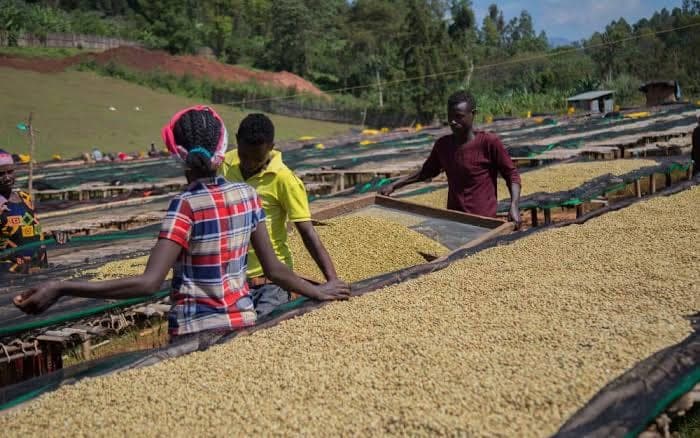
- Washed and natural, both in significant volume
- Grades
- Grade 1–5 across the range
- Traceability
- Washing station, woreda and kebele
- Port
- Djibouti
Sidama enquiries
Tell us the preparation, altitude band and profile. We will shortlist by woreda and station rather than by the regional name.
Request Current Crop OfferQuestions
Frequently asked questions
What is the difference between Sidamo and Sidama?
Why is station-level identity important for Sidama?
Are Sidama naturals as good as Guji naturals?
Keep reading
Related to Sidama (Sidamo) Coffee
- Guji CoffeeGuji coffee: the zone’s separation from Sidama, the sub-areas of Hambela, Shakiso and Uraga, and the intense natural profiles it is known for.
- Ethiopia Coffee GradesEthiopian coffee grades combine a defect count with a cup evaluation; export coffee is graded 1 to 5. How washed and natural grades differ and what Q1 and Q2 mean.
- Natural coffee — process, risk and specificationWashed, natural and honey processing explained — what each does to the cup, where the risk sits and how to specify it.
- Washed Ethiopian CoffeeWashed Ethiopian coffee: how it is processed, how the regional profiles differ, grading on washed defect allowances, and how to specify a washed Ethiopian lot.
- Natural Ethiopian CoffeeNatural Ethiopian coffee: the full range from intense Guji and Sidama separations to commercial Djimma grades, with the drying risks and how to specify against them.
- Ethiopia Green CoffeeEthiopian green coffee: regional designations, the Grade 1–5 classification, washed and natural preparations, washing station traceability and export via Djibouti.
Request an offer
Tell us the Ethiopia coffee you need
Region, process, grade, screen, moisture, defect tolerance, crop year, packaging and destination. Send what you know and we will confirm what Ethiopia realistically supports for the current crop.