Green coffee
Commercial Green Coffee
- Contracted on
- Grade · screen · defects
- Typical volume
- Container programmes
- Packing
- 60 kg jute · bulk liner
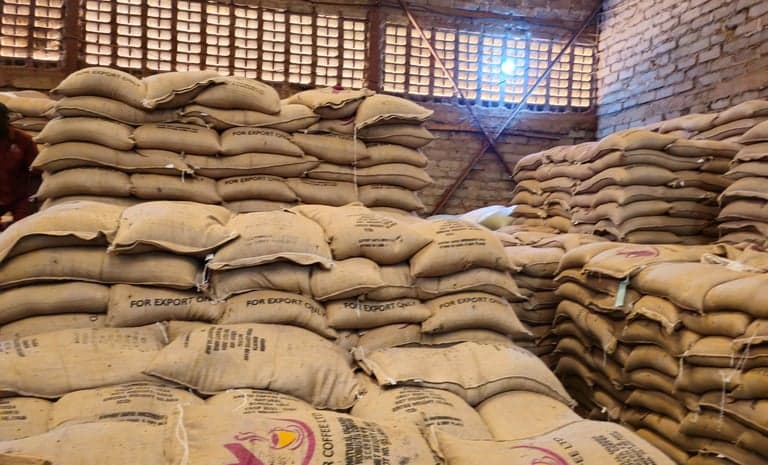
Commercial Coffee from six East African origins
- TanzaniaFully washed · NaturalAA · A · ABJune–October in the south; July–December in the north
- UgandaNatural (Robusta) · Washed Arabica (WUGAR)Screen 18 · Screen 17 · Screen 15Robusta main crop November–February with a fly crop April–July; Elgon Arabica October–February
- KenyaFully washed with soak · Mbuni (natural)E · AA · ABMain crop October–December; early (fly) crop May–July
- EthiopiaFully washed · Natural (sun-dried)Grade 1 · Grade 2 · Grade 3October–January, varying by region and altitude
- RwandaFully washed · Natural (growing)Grade 1 (fully washed) · Grade 2 · Screen 15+March–July, with the peak in April and May
- BurundiFully washed with soak · Natural (limited)Grade A · Grade B · Screen 15+March–July
Quick answer
Commercial supply is contracted on specification and consistency rather than on lot identity: grade, screen with tolerance, defect basis, moisture ceiling, crop year and shipment pattern. It is usually bought as a programme across a season rather than as a single purchase.
The volume grades
| Origin | Grade | Species | Screen | Notes |
|---|---|---|---|---|
| Uganda | Screen 15 | Robusta | 15+ | The volume workhorse; two harvest cycles support near year-round supply |
| Uganda | Screen 18 | Robusta | 18+ | Larger size class, bought where bean uniformity matters to the roast |
| Uganda | Screen 14, 12, FAQ | Robusta | 12–14 / unsized | Price-led blending and soluble; FAQ needs the fullest specification |
| Tanzania | AB, C, TT, UG | Arabica | AB 16–17 | AB is the largest single block in a typical outturn |
| Tanzania | Kagera screen 15+ | Robusta | 15+ | Dry-processed, contracted on screen and defect terms |
| Kenya | AB, C, TT | Arabica | AB 15–16 | AB often the best value on a cup-per-cost basis |
| Ethiopia | Grade 4, Grade 5 | Arabica | — | Djimma naturals are the commercial backbone |
| Rwanda / Burundi | Grade 2 / Grade B | Arabica | 15+ | Smaller volumes; useful for adding structure |
How a programme is contracted
A programme differs from a spot purchase in three ways, and each needs its own clause.
- 1Volume and cadence. Total volume across the season and the split by shipment — monthly, quarterly, or against call-offs.
- 2Price mechanism. Usually a differential to the futures reference with an agreed fixation window, rather than an outright price for the whole programme.
- 3A type or approved sample governing all shipments, with each shipment verified against it rather than approved individually.
Programme terms
- Specification
- Grade, screen with tolerance, defect basis, moisture ceiling with method, foreign matter limit
- Volume
- Total and per-shipment, with tolerance
- Shipment pattern
- Fixed schedule or call-off with notice period
- Price basis
- Differential, nominated months, fixation window
- Quality governance
- Type or approved sample; pre-shipment verification
- Packaging
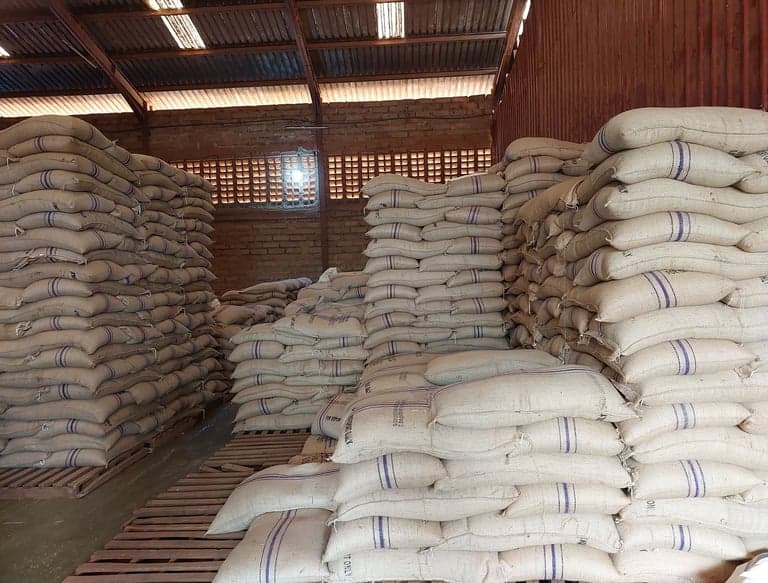
- 60 kg jute, or bulk liner for single-grade volume
- Certification
- Where required — 4C is common on commercial volumes
- Incoterm
- FOB, CFR or CIF with named port
What matters most in commercial supply
- Specify tightly and resist the temptation to accept upgrades that break the profile.
- Verify every shipment against the governing sample rather than approving each individually.
- Build the crop-year transition into the programme explicitly — new crop cups differently from the tail of the old one.
- Agree in advance what happens when a specification cannot be filled: substitution, deferral or release.
Consistency beats peak quality
A shipment that arrives noticeably better than the last one is a problem in the same way a worse one is: the roast profile and the finished product were built around the specification, not around the best parcel.
Price basis. Arabica is usually priced as a differential to the ICE Arabica (“C”) futures contract and Robusta to the ICE London Robusta contract, with a nominated month and a fixation window. A differential without a month is not a price — see coffee trade terms. For container-scale presentation and bulk liners, see bulk and wholesale green coffee.
Programme enquiries
Tell us the annual volume, specification and shipment pattern. We will confirm what the origins support across the season, and what the crop-year transition means for your blend.
Request Current Crop OfferCurrent crop
Current Commercial Coffee
Availability is confirmed on enquiry
We do not publish a standing stock list for commercial coffee. What can be offered depends on the harvest in progress, what has been milled and what is already committed, so each offer is confirmed against the current crop when you ask — with the lot’s specification and the date its position was checked.
For when each origin typically ships, see the coffee crop calendar.
Processing
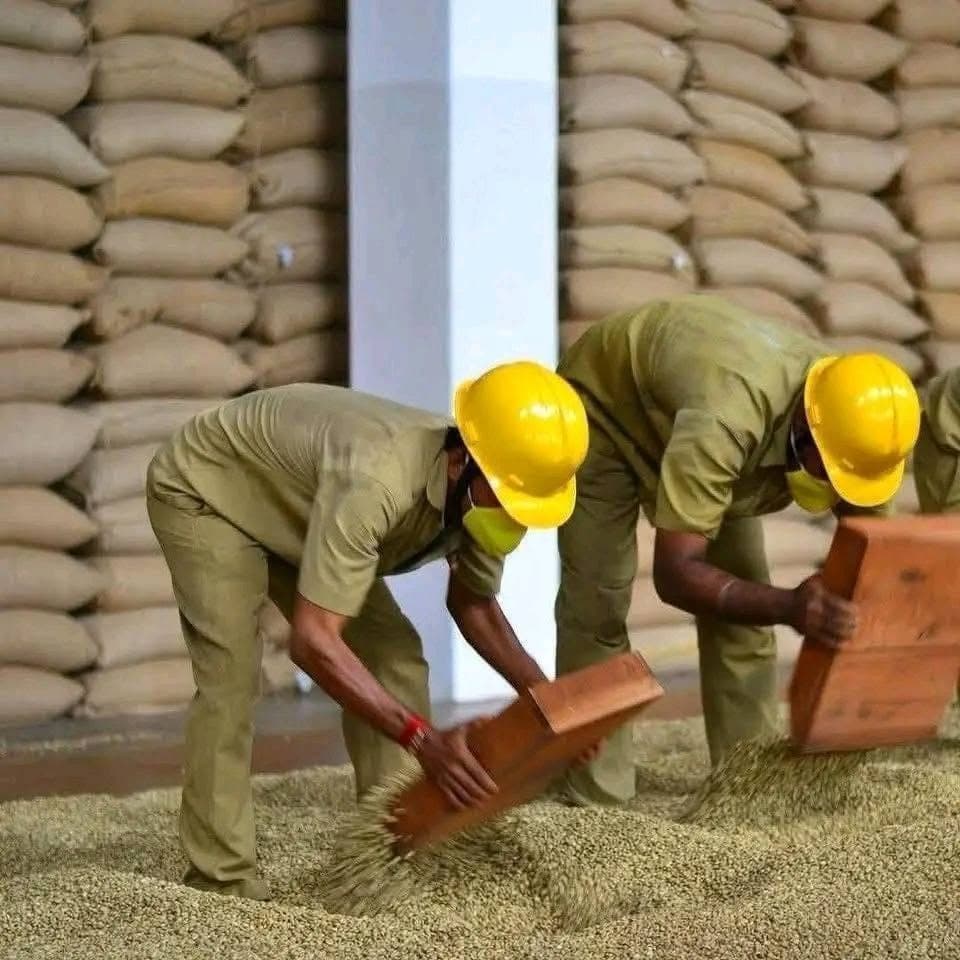
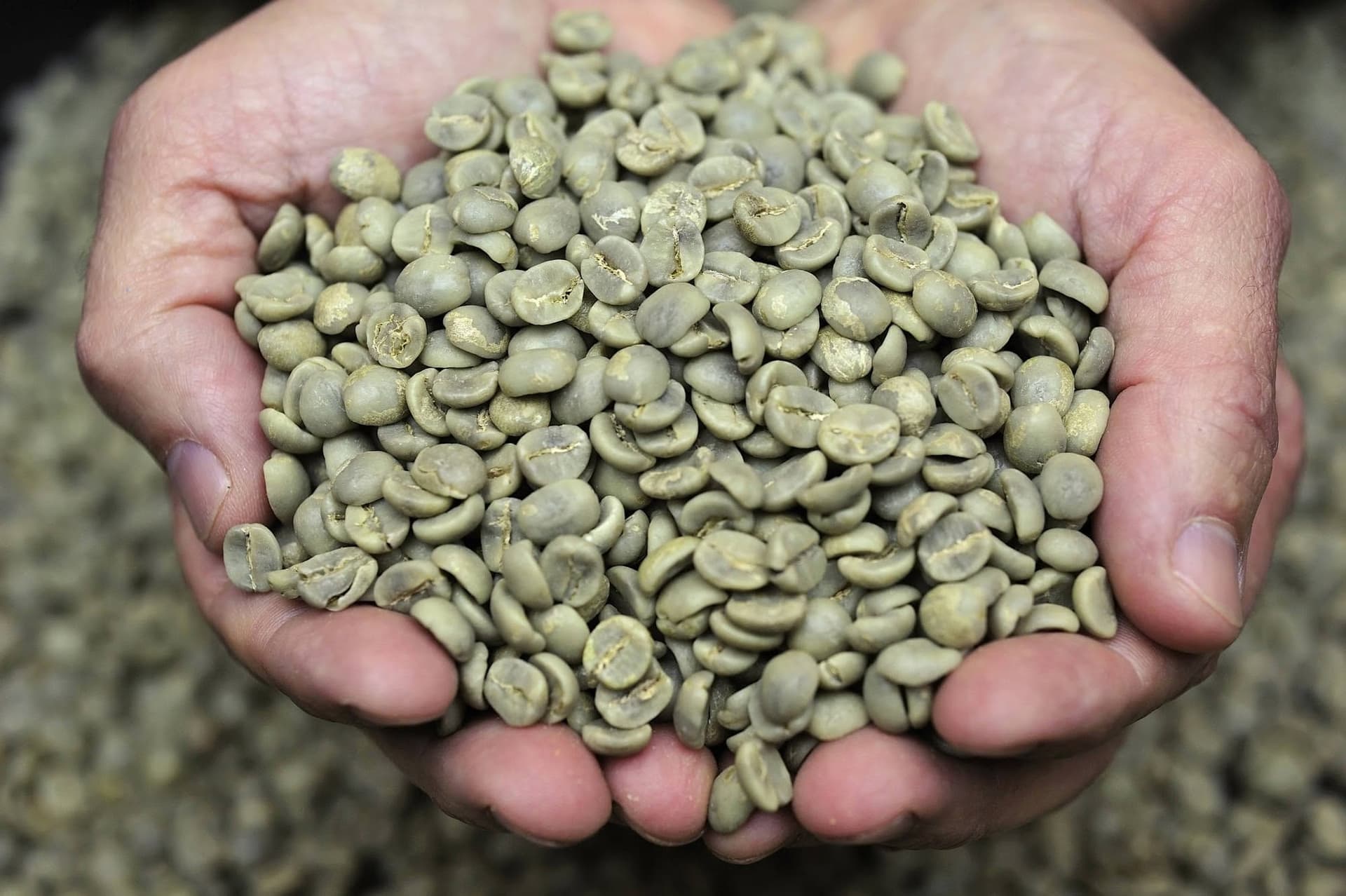
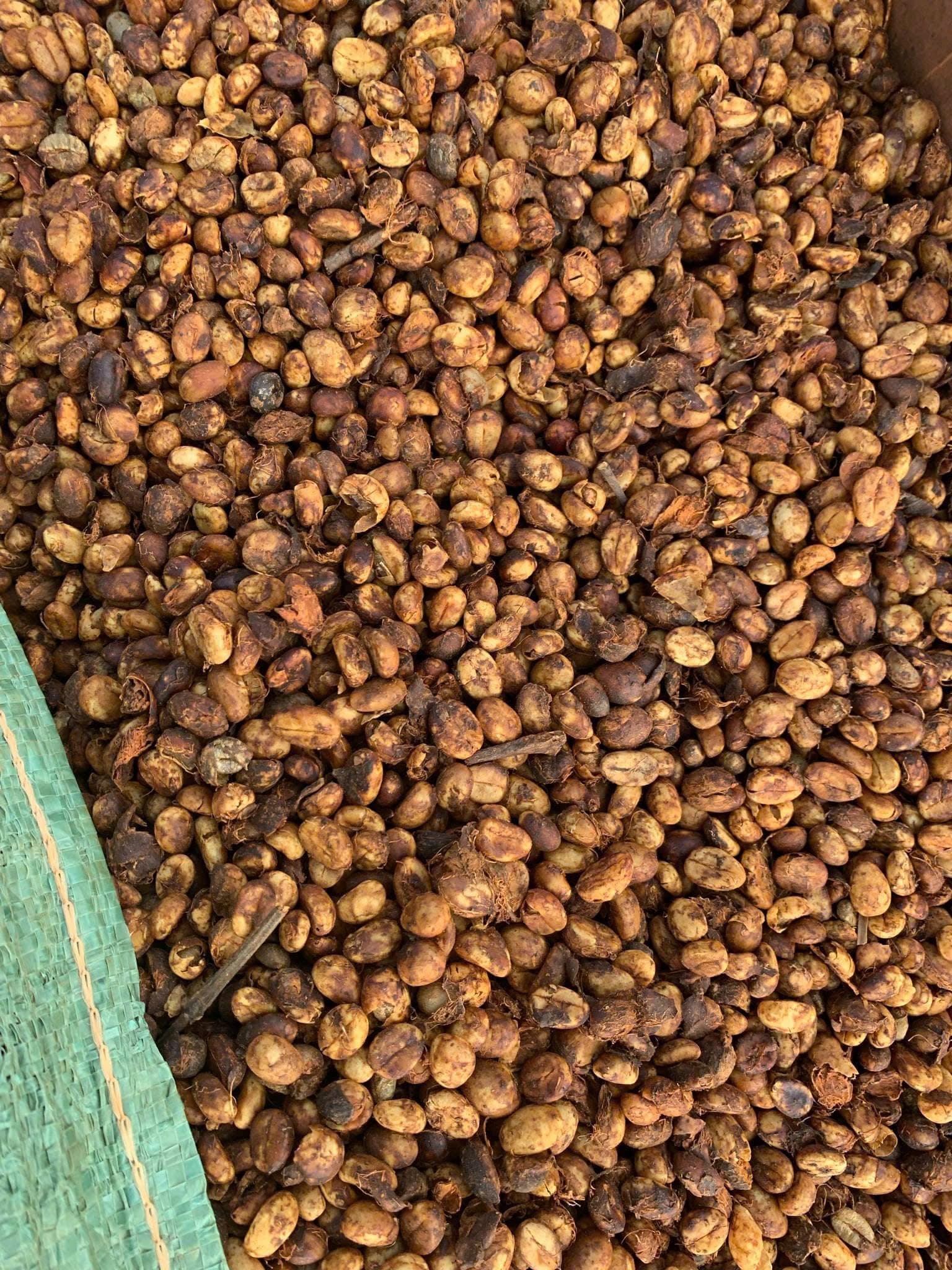
Commercial Coffee by processing method
The largest lever available at origin, and the one a buyer can specify most directly.
Quality
How we evaluate commercial coffee
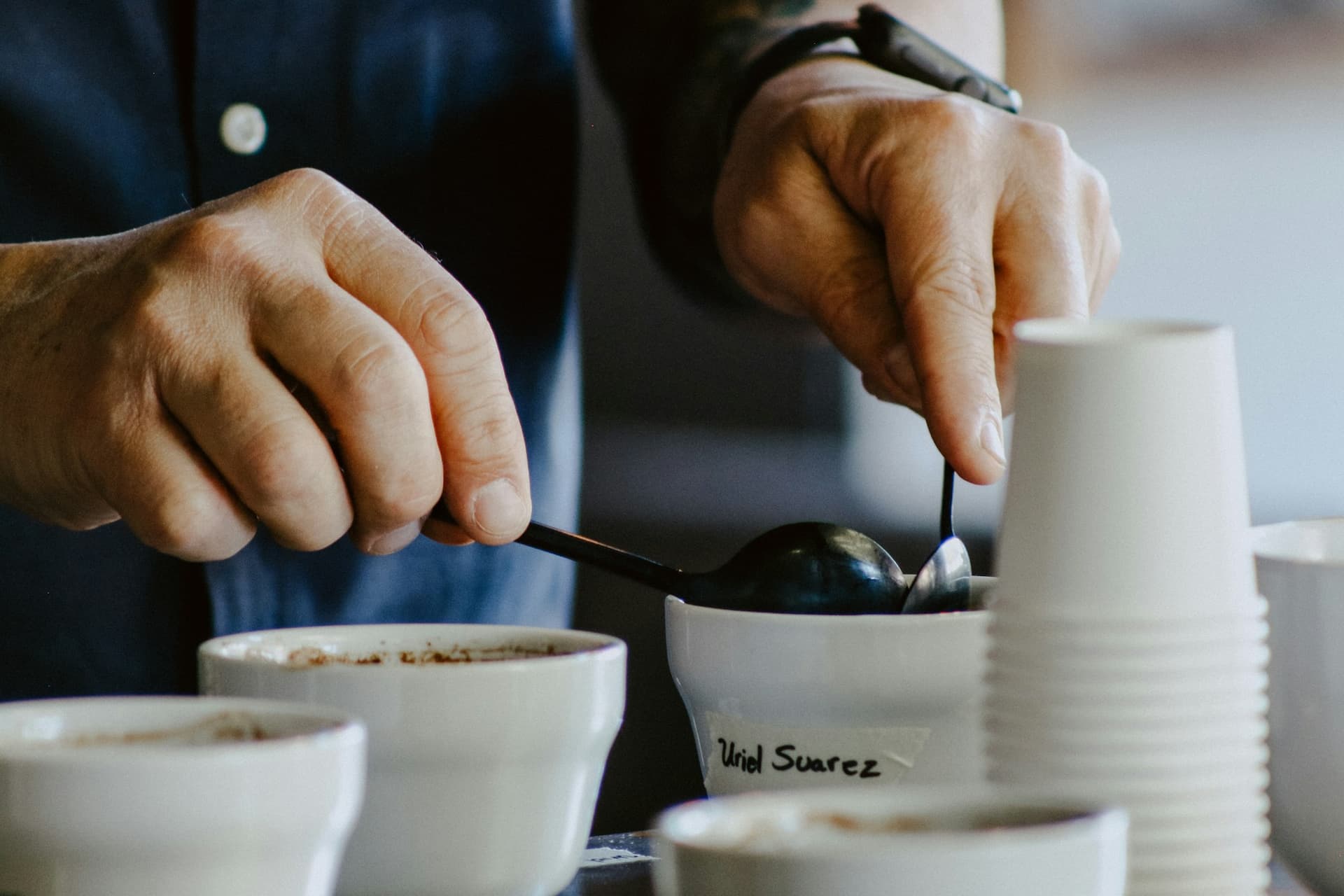
Every parcel is assessed on the same sequence before it is offered, and again before it is loaded. What is reported for a given lot depends on what the buyer specifies.
- 01Physical gradePreparation class against the origin’s own system
- 02Screen distributionRetention plus the percentage passing
- 03Defect analysisFull defects per 300 g on a stated weighting table
- 04MoistureRange plus the measurement method and instrument
- 05Water activityWhere the buyer specifies it, for storage stability
- 06DensityBulk density in g/L, for roast planning
- 07Sample roastTo a cupping profile, not a commercial roast
- 08CuppingMultiple cups, against the approved sample
- 09Buyer approvalThe retained sample the shipment is measured against
Export
Packaging and export
Packaging is specified at contract stage rather than requested afterwards, because it changes both the price and the container arithmetic. Four of our six origins are landlocked, which makes the inland leg the largest single source of schedule variance — shipment windows are built around port arrival, not mill readiness.
Questions
Frequently asked questions
What is the difference between commercial and specialty green coffee?
Can I contract a full season of supply?
What happens at the crop-year transition?
Do commercial lots come with a cupping?
Keep reading
Related technical guides
The reference material behind the specification fields on this page.
Request an offer
Tell us the commercial coffee you need
Origin, region, process, grade, screen, moisture, defect tolerance, crop year and packaging. Send what you know and we will confirm what each origin realistically supports for the current crop.