Green coffee
Arabica Green Coffee
- East African Arabica
- 6 origins
- Preparations
- Washed · Natural
- Segments
- Specialty + commercial
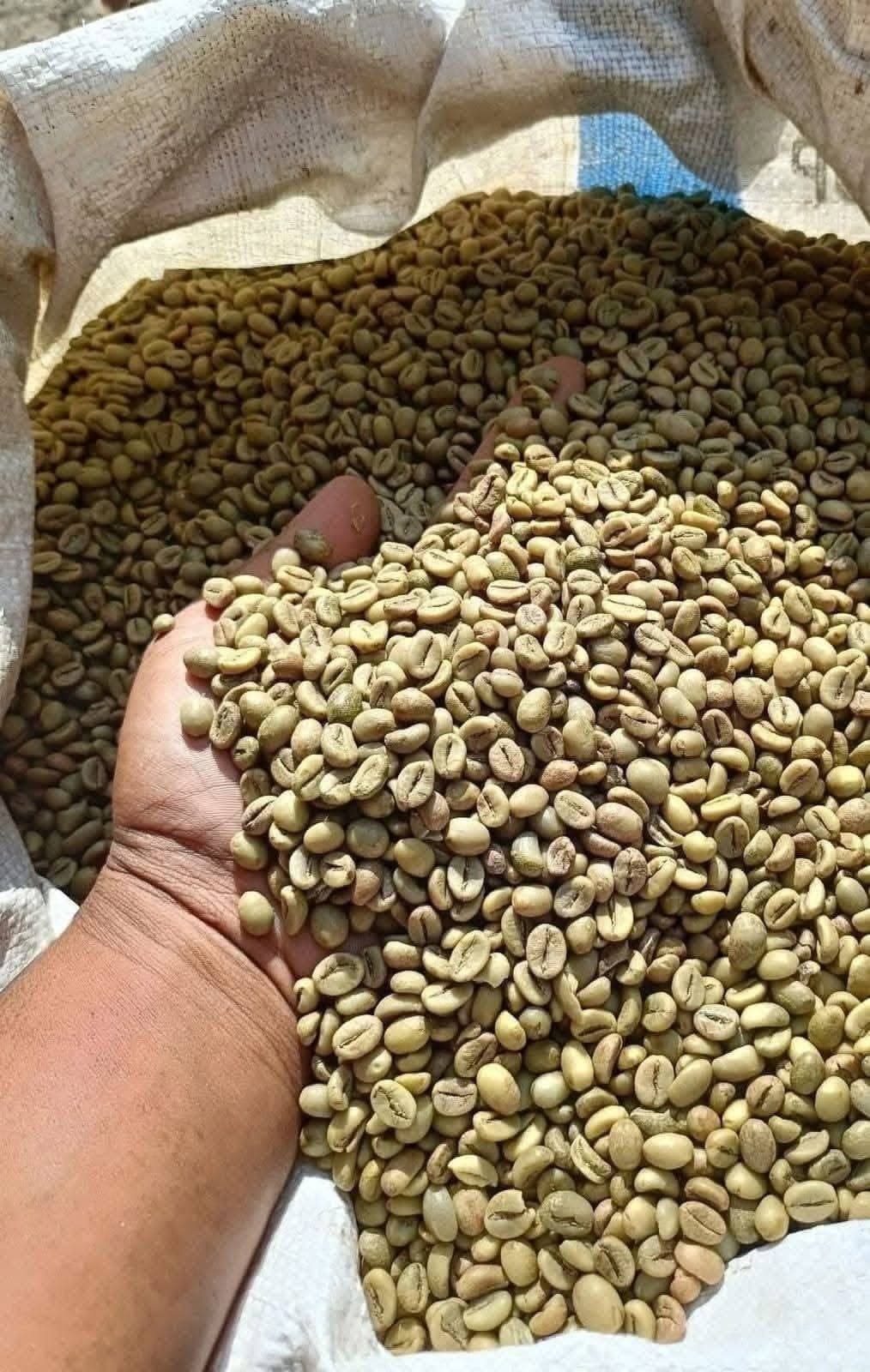
Arabica from six East African origins
- TanzaniaFully washed · NaturalAA · A · ABJune–October in the south; July–December in the north
- UgandaNatural (Robusta) · Washed Arabica (WUGAR)Screen 18 · Screen 17 · Screen 15Robusta main crop November–February with a fly crop April–July; Elgon Arabica October–February
- KenyaFully washed with soak · Mbuni (natural)E · AA · ABMain crop October–December; early (fly) crop May–July
- EthiopiaFully washed · Natural (sun-dried)Grade 1 · Grade 2 · Grade 3October–January, varying by region and altitude
- RwandaFully washed · Natural (growing)Grade 1 (fully washed) · Grade 2 · Screen 15+March–July, with the peak in April and May
- BurundiFully washed with soak · Natural (limited)Grade A · Grade B · Screen 15+March–July
Quick answer
We supply Arabica green coffee from all six East African origins, in washed, natural and limited honey preparations, across specialty and commercial segments. Lots are specified by origin and region, grade, screen, defect tolerance, moisture, crop year and cup, and are contracted against an approved sample.
What is available, by origin
| Origin | Typical preparation | Common grades | Harvest |
|---|---|---|---|
| Kenya | Fully washed with soak | AA, AB, PB, C | Oct–Dec, fly crop May–Jul |
| Ethiopia | Washed and natural | Grade 1–5 | Oct–Jan |
| Tanzania | Fully washed; naturals growing in the south | AA, AB, PB, C | Jun–Oct (south), Jul–Dec (north) |
| Rwanda | Fully washed | Grade 1, Grade 2, screen 15+/16+ | Mar–Jul |
| Burundi | Fully washed with soak | Grade A, Grade B | Mar–Jul |
| Uganda | Washed (WUGAR/Bugisu) and natural (DRUGAR) | Bugisu AA/A/B/PB, screen-specified | Oct–Feb; West Nile Aug–Nov |
Choosing between them
The six origins are not interchangeable, and the differences are large enough to drive the decision before price does.
- Structured, high-acidity single origin → Kenya first, then high-altitude Rwandan and Burundian washed lots.
- Floral and aromatic → Ethiopian washed, particularly Yirgacheffe.
- Fruit-forward and intense → Ethiopian naturals, particularly Guji.
- Sweet, rounded, blend-friendly → southern Tanzania around Mbeya and Mbinga.
- Full-bodied and winey → Bugisu from Mount Elgon.
- Delicate and tea-like → Burundi washed from Kayanza and Ngozi.
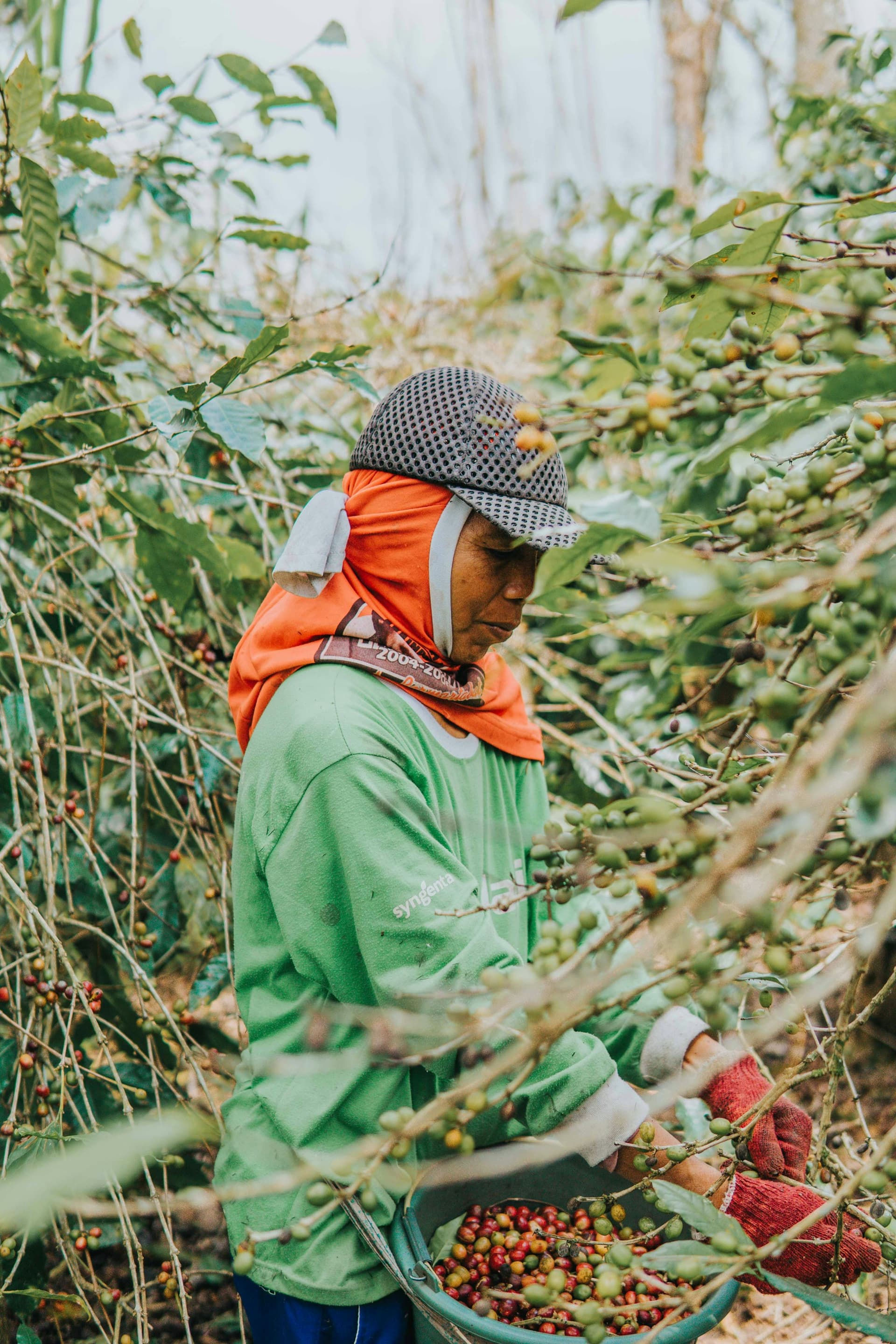
How Arabica lots are specified
Every origin uses its own grade vocabulary, so the specification has to be written against the origin’s own system. The common fields are the same everywhere.
Specification fields
- Origin and region
- Country plus growing area; station or factory where traceability is required
- Process
- Fully washed, washed with soak, natural, or honey
- Grade
- The origin’s designation — see the grades guide
- Screen
- Retention screen plus permitted percentage passing
- Defects
- Maximum full defects per 300 g and the counting basis
- Moisture
- Range plus measurement method
- Crop year
- Explicit, with the harvest period
- Cup
- Approved sample, or a described profile with a fault-tolerance clause
- Packaging
- 60 kg jute, with or without hermetic liner; 30 kg for small lots
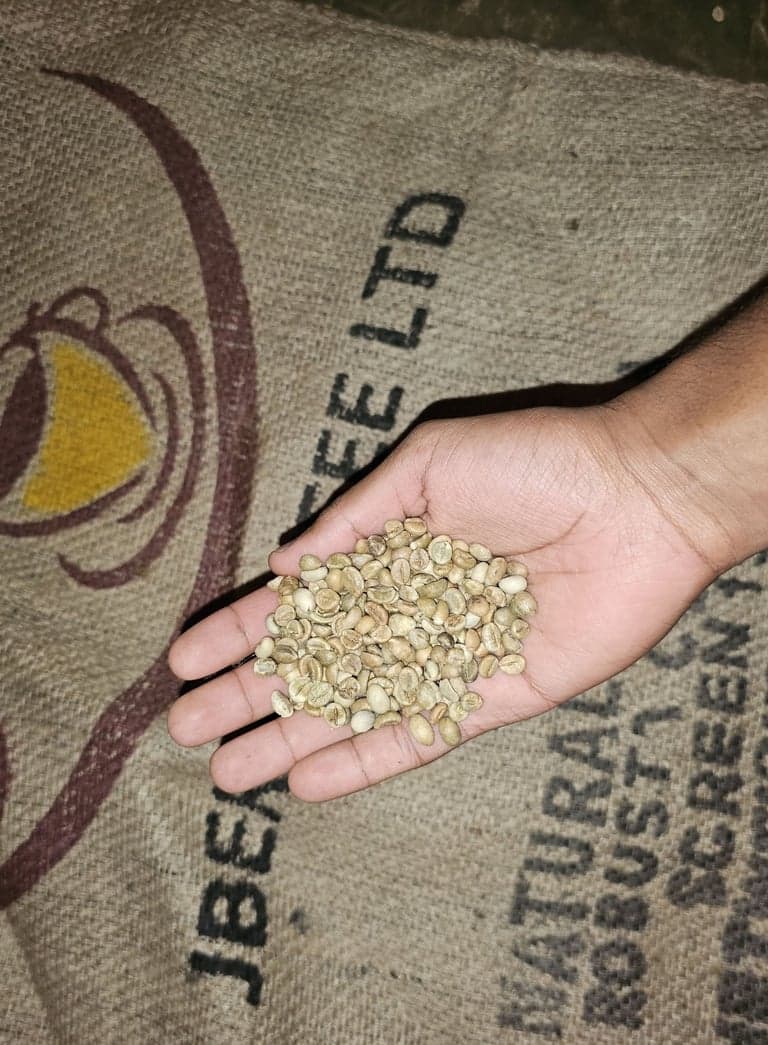
Varieties
Variety information is available to different depths at different origins, and it is worth knowing which is which before asking for it.
| Origin | Named material in commercial use | How well identified |
|---|---|---|
| Kenya | SL28 and SL34 (Scott Laboratories selections, 1930s); K7; the disease-resistant Kenyan breeding line Ruiru 11 (released 1985) and Batian | Well documented, but frequently mixed within a single factory catchment |
| Rwanda / Burundi | Red Bourbon; Jackson (the Rwanda Agricultural Board holds the Jackson 2/1257 selection); Mibirizi; the Bourbon Mayaguez selections BM139 and BM71 | Well documented at station level. Note that Mibirizi is Typica-related despite the region’s Bourbon reputation |
| Tanzania | N39 and KP423, both selected from Bourbon and Kent material in the 1930s; the TaCRI compact hybrids (TaCRI 1F, 3F, 4F and 6F) | Variable by region and farm; the TaCRI releases are increasingly planted |
| Uganda | SL14, SL28, KP423 and Nyasaland on Mount Elgon, alongside older Typica and Kent material | Variable. SL28 and KP162 are known to be vulnerable to leaf rust and coffee berry disease |
| Ethiopia | Regional landraces, plus JARC selections — 74110 and 74112 were both selected from the Metu–Bishari forest for coffee berry disease resistance and released in 1979 | Often unidentified; "heirloom" is a placeholder, not a variety |
A note on "Bourbon" in Rwanda and Burundi
The region is widely described as Bourbon country, and Red Bourbon and Jackson are indeed Bourbon-related. Mibirizi, however — an important variety for smallholders in both countries — sits in the Bourbon–Typica group but is Typica-related, and is thought to descend from Guatemalan stock introduced in the 1910s. If a variety claim matters to your programme, ask which selection specifically rather than accepting "Bourbon".
Arabica enquiries
Tell us the profile, grade, volume and shipment window. We will confirm what each origin supports for the current crop.
Request Current Crop OfferCurrent crop
Current Arabica Coffee
Availability is confirmed on enquiry
We do not publish a standing stock list for Arabica. What can be offered depends on the harvest in progress, what has been milled and what is already committed, so each offer is confirmed against the current crop when you ask — with the lot’s specification and the date its position was checked.
For when each origin typically ships, see the coffee crop calendar.
Processing
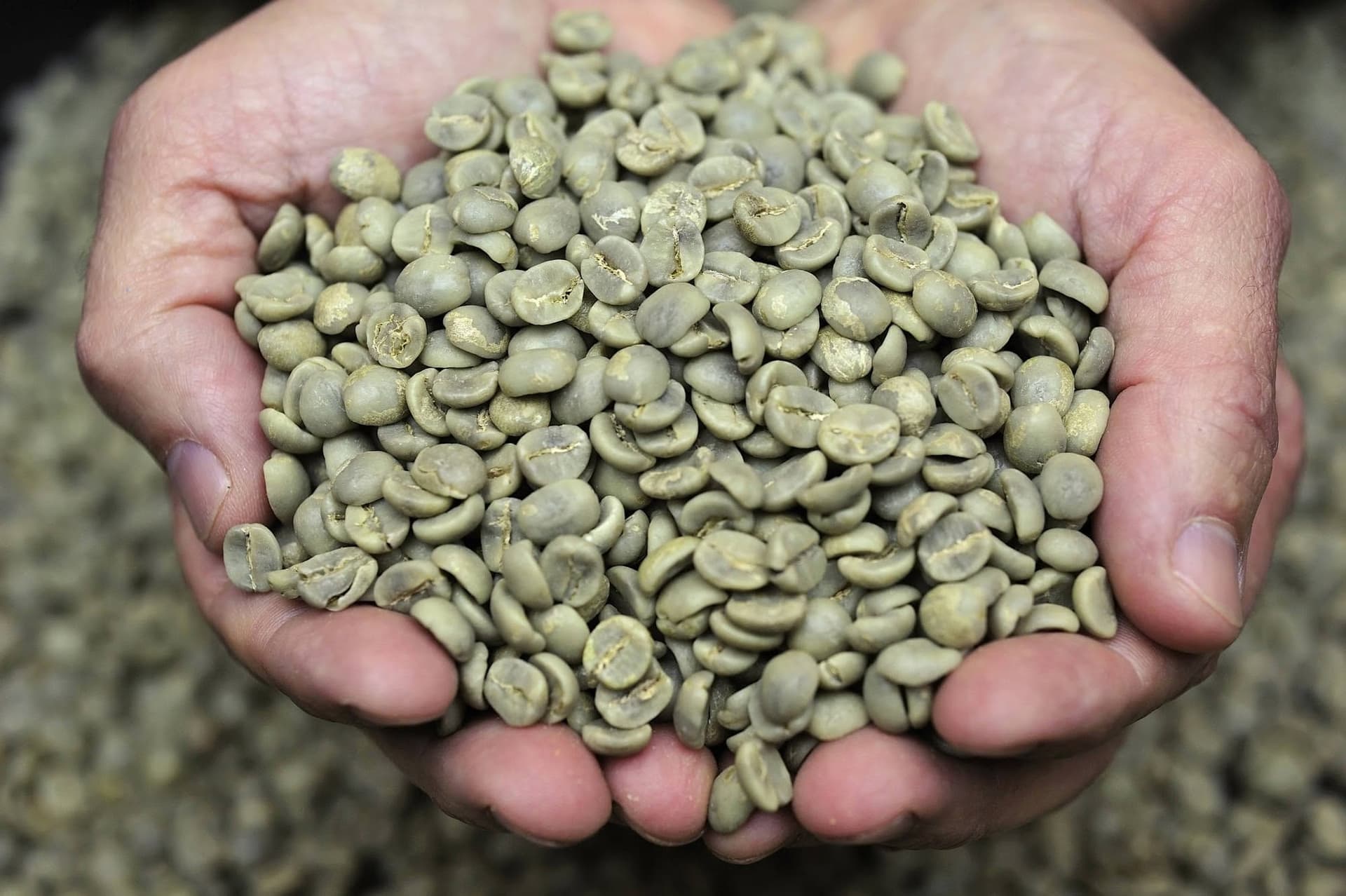
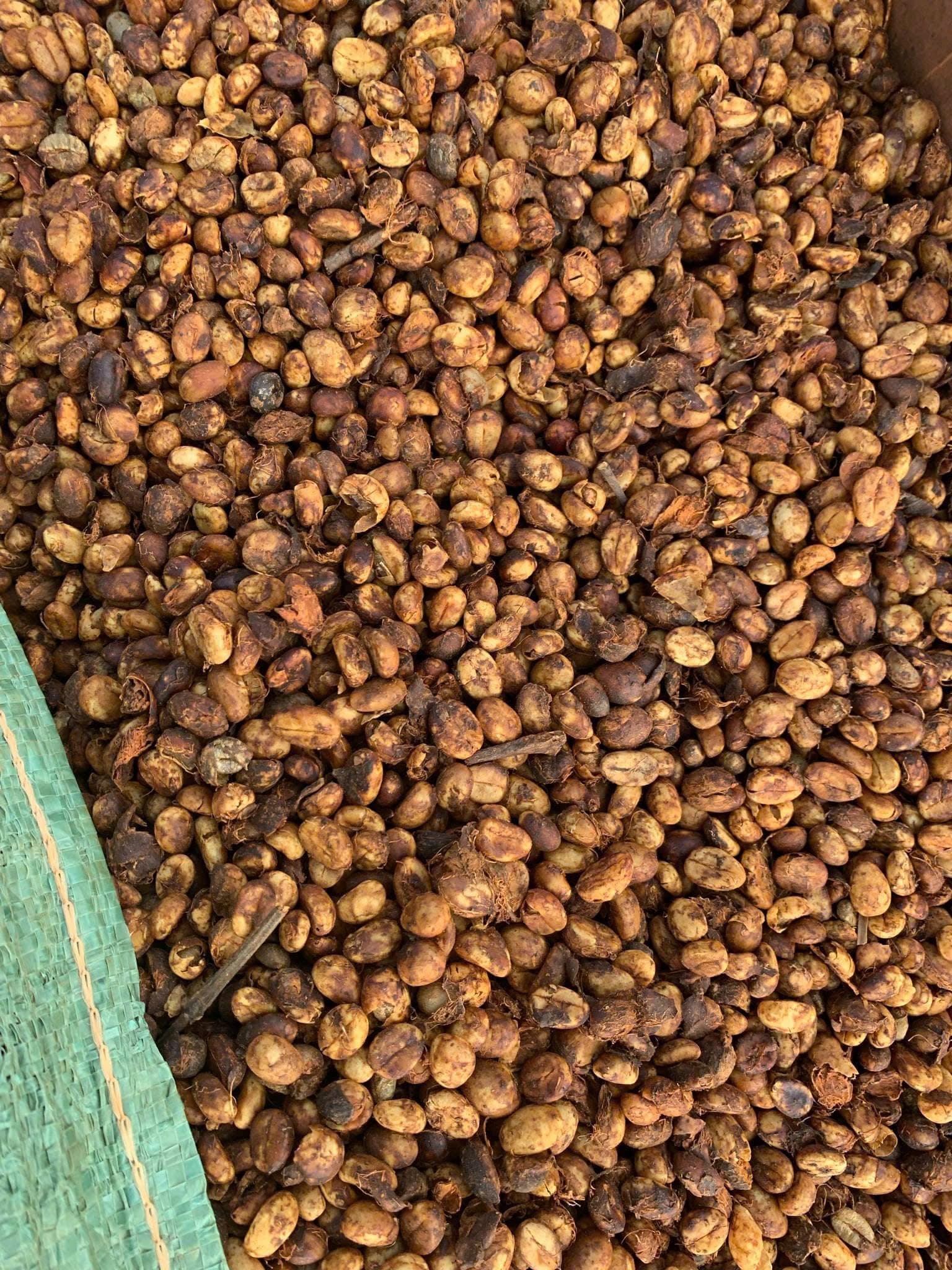
Arabica by processing method
The largest lever available at origin, and the one a buyer can specify most directly.
Quality
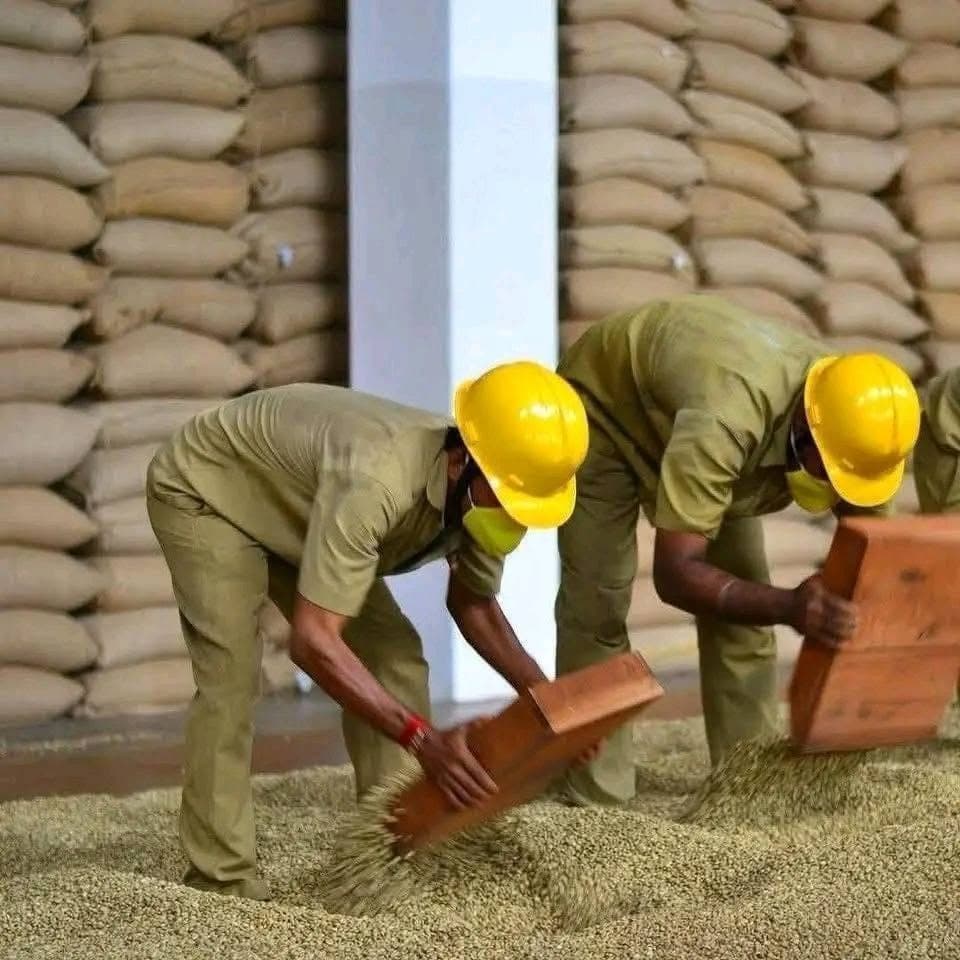
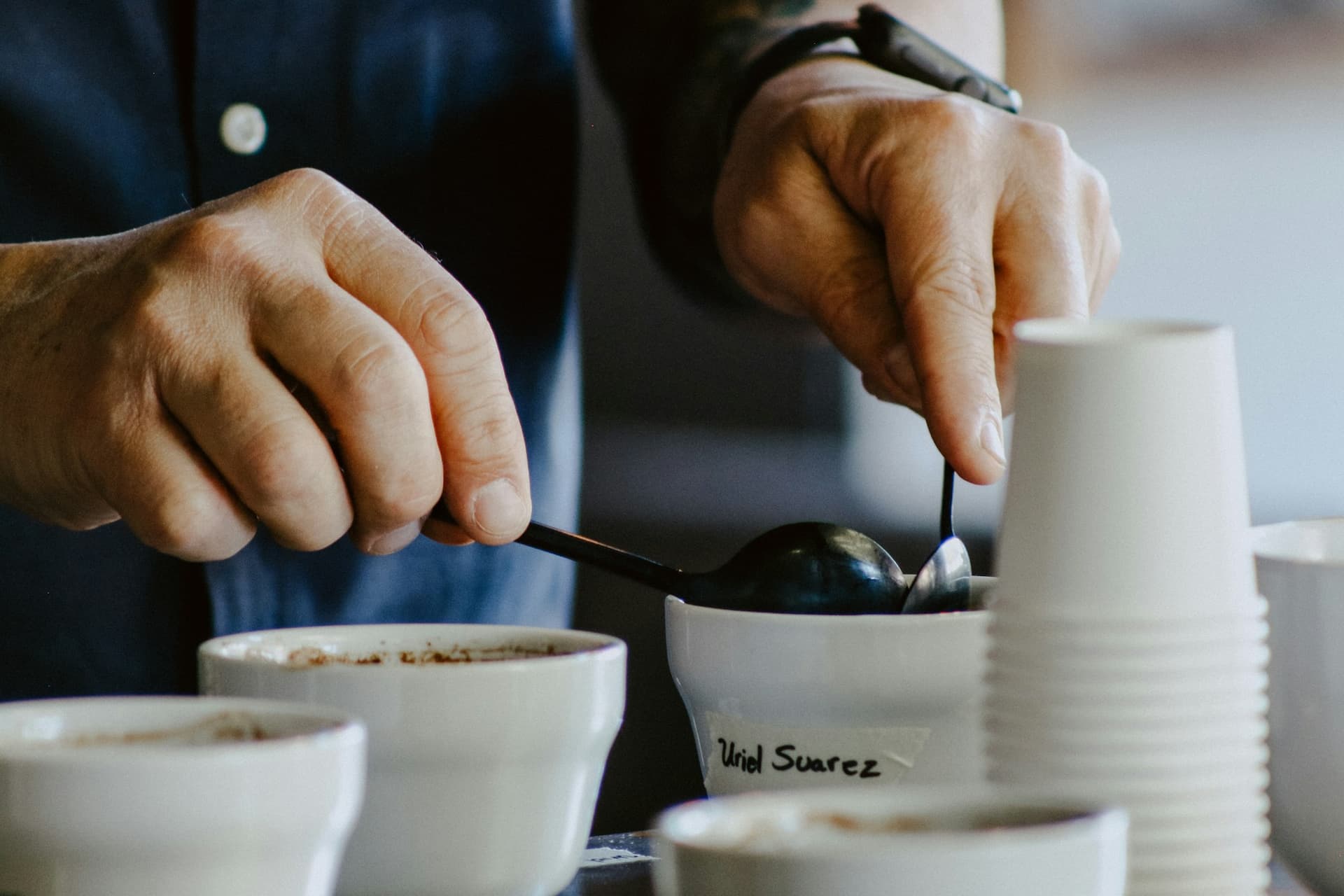
How we evaluate Arabica
Every parcel is assessed on the same sequence before it is offered, and again before it is loaded. What is reported for a given lot depends on what the buyer specifies.
- 01Physical gradePreparation class against the origin’s own system
- 02Screen distributionRetention plus the percentage passing
- 03Defect analysisFull defects per 300 g on a stated weighting table
- 04MoistureRange plus the measurement method and instrument
- 05Water activityWhere the buyer specifies it, for storage stability
- 06DensityBulk density in g/L, for roast planning
- 07Sample roastTo a cupping profile, not a commercial roast
- 08CuppingMultiple cups, against the approved sample
- 09Buyer approvalThe retained sample the shipment is measured against
Export
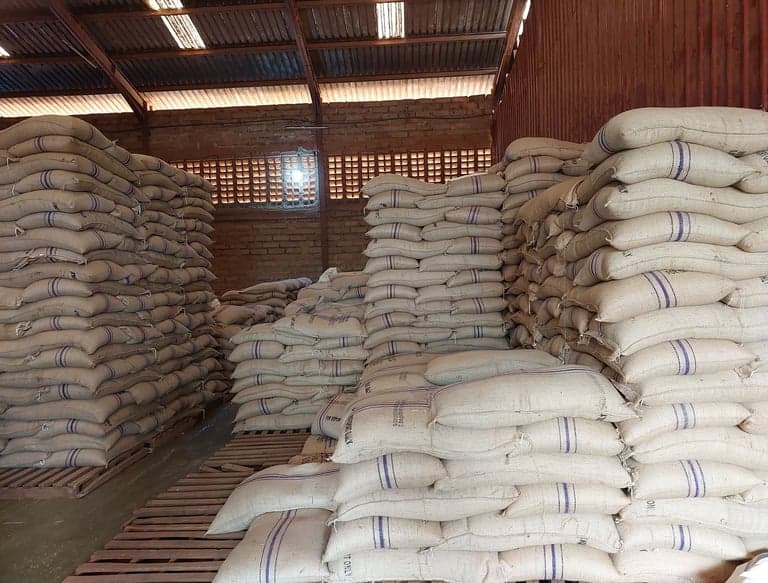
Packaging and export
Packaging is specified at contract stage rather than requested afterwards, because it changes both the price and the container arithmetic. Four of our six origins are landlocked, which makes the inland leg the largest single source of schedule variance — shipment windows are built around port arrival, not mill readiness.
Questions
Frequently asked questions
Which East African Arabica origin should I start with?
Can I get the same Arabica lot again next year?
What is the smallest Arabica lot you can supply?
Do you supply washed and natural from the same origin?
Can Arabica be supplied by screen size?
Can a buyer specify defect and moisture limits?
Can you supply current-crop Arabica?
Can samples be sent before contracting?
What packaging is available for Arabica?
Can Arabica be shipped FOB, CFR or CIF?
What documentation is normally supplied?
Are certified Arabica lots available?
How does Arabica availability change through the crop year?
Keep reading
Related technical guides
The reference material behind the specification fields on this page.
Request an offer
Tell us the Arabica you need
Origin, region, process, grade, screen, moisture, defect tolerance, crop year and packaging. Send what you know and we will confirm what each origin realistically supports for the current crop.