Green coffee
Honey Process Green Coffee
- Origins
- Rwanda · Burundi · Tanzania · Ethiopia
- Method
- Mucilage retained
- Availability
- Lot-specific
Quick answer
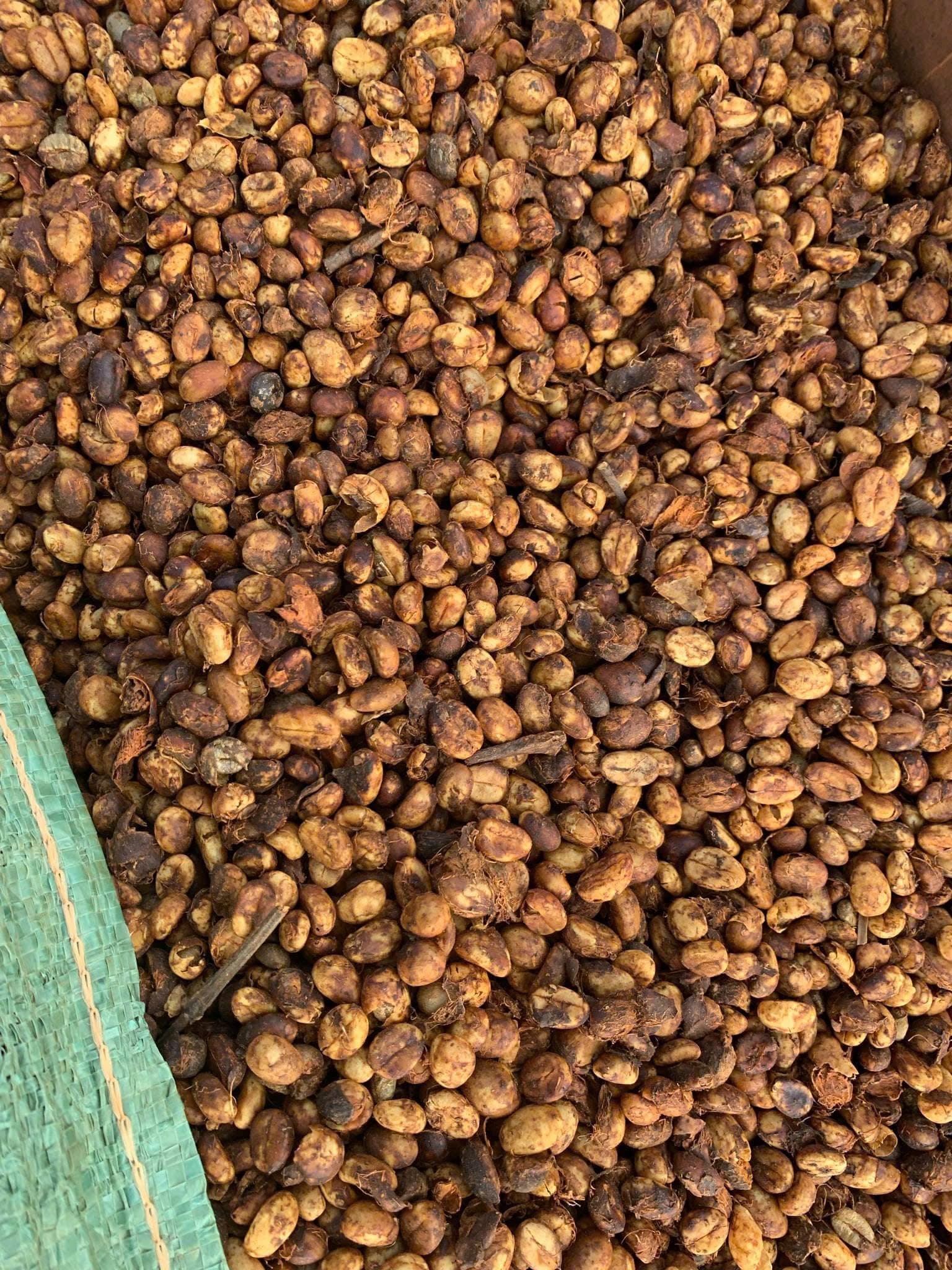
Honey processed coffee is pulped but dried with a controlled fraction of mucilage still on the parchment. East African production is small, lot-specific and season-specific — it should be confirmed against the current crop rather than assumed available, and parcels are typically small.
What you are buying
The honey process page covers the mechanics. Commercially, the essentials are: more sweetness and body than a washed lot from the same station, more clarity and structure than a natural, and a rounded rather than sharp acidity.
| Designation | Mucilage retained | Cup tendency | Execution risk |
|---|---|---|---|
| Yellow honey | Least | Closest to washed; clean with added sweetness | Lower |
| Red honey | Moderate | Balanced; more body and stone fruit | Moderate |
| Black honey | Most | Closest to natural; dense and syrupy | Highest |
Availability, honestly
Small volumes, confirmed per crop
Honey processing requires very frequent turning in the first 48 hours, thin bed loading and substantial bed occupancy. That combination caps production. East African honey lots are produced in small quantities across Rwanda, Burundi, Tanzania and Ethiopia, and are usually a station’s deliberate separation rather than its main line. Treat any honey requirement as something to confirm against the current crop.
There is a useful signal in that constraint: a station capable of executing honey processing well has the labour, the bed space and the discipline to run tight separations generally. It is often worth buying their washed coffee too.
Specifying a honey lot
- Mucilage fraction
- Ask for the percentage left on, not just the colour name
- Drying regime
- Duration, shade management, turning frequency in the first 48 hours
- Water activity
- Particularly important — honey lots can hold moisture unevenly
- Parcel size
- Confirm early; separations are typically small
- Packaging
- Hermetic liner strongly advisable
- Cup approval
- On a representative sample, as for naturals
Honey lot enquiries
Tell us the origin and profile. We will tell you what the current crop has actually produced rather than quoting against a category.
Request Current Crop OfferCurrent crop
Current Honey Process Coffee
Availability is confirmed on enquiry
We do not publish a standing stock list for honey process coffee. What can be offered depends on the harvest in progress, what has been milled and what is already committed, so each offer is confirmed against the current crop when you ask — with the lot’s specification and the date its position was checked.
For when each origin typically ships, see the coffee crop calendar.
Quality
How we evaluate honey process coffee
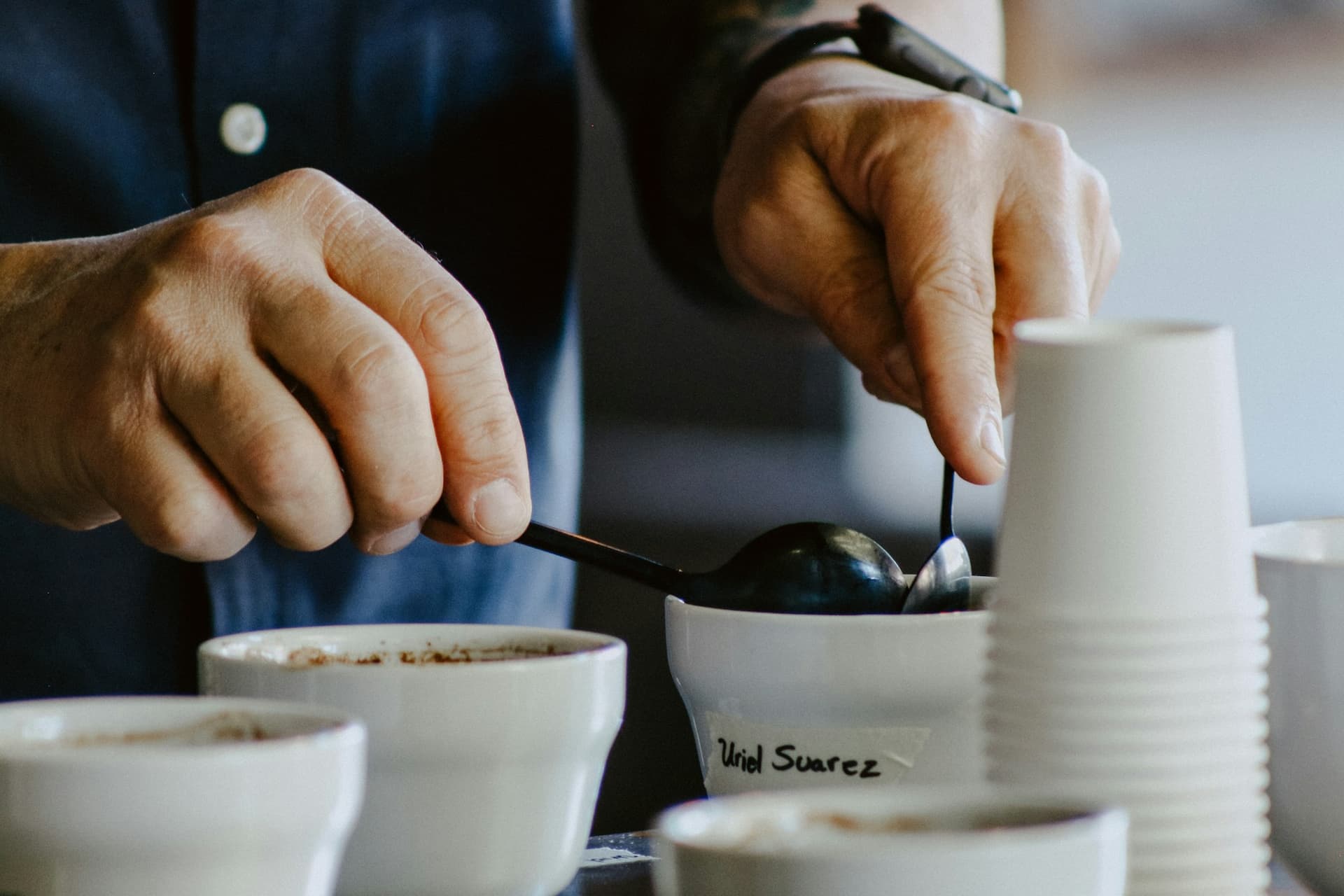
Every parcel is assessed on the same sequence before it is offered, and again before it is loaded. What is reported for a given lot depends on what the buyer specifies.
- 01Physical gradePreparation class against the origin’s own system
- 02Screen distributionRetention plus the percentage passing
- 03Defect analysisFull defects per 300 g on a stated weighting table
- 04MoistureRange plus the measurement method and instrument
- 05Water activityWhere the buyer specifies it, for storage stability
- 06DensityBulk density in g/L, for roast planning
- 07Sample roastTo a cupping profile, not a commercial roast
- 08CuppingMultiple cups, against the approved sample
- 09Buyer approvalThe retained sample the shipment is measured against
Export
Packaging and export
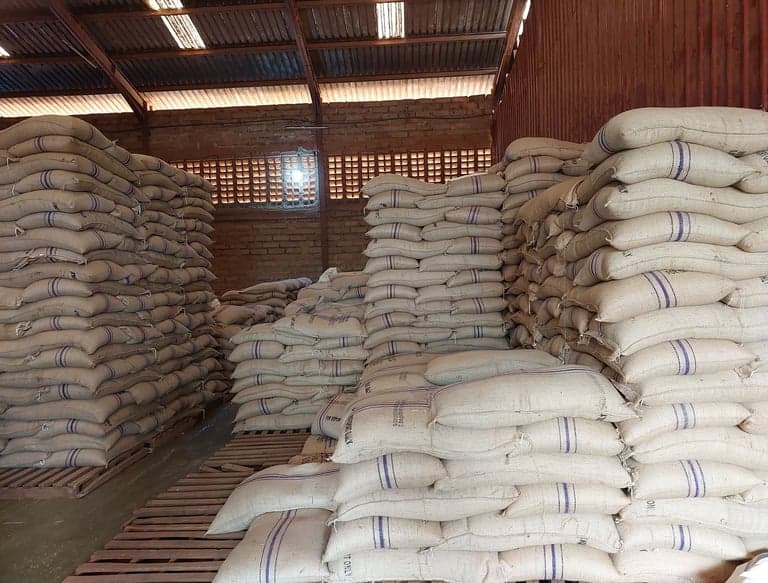
Packaging is specified at contract stage rather than requested afterwards, because it changes both the price and the container arithmetic. Four of our six origins are landlocked, which makes the inland leg the largest single source of schedule variance — shipment windows are built around port arrival, not mill readiness.
Questions
Frequently asked questions
Is honey added to honey processed coffee?
Can I buy East African honey coffee in container volumes?
What is the difference between honey and pulped natural?
Keep reading
Related technical guides
The reference material behind the specification fields on this page.
Request an offer
Tell us the honey process coffee you need
Origin, region, process, grade, screen, moisture, defect tolerance, crop year and packaging. Send what you know and we will confirm what each origin realistically supports for the current crop.