Ethiopia · Growing region
Harrar Coffee
- Species
- Arabica
- Preparation
- Natural
- Harvest
- October–February
Quick answer
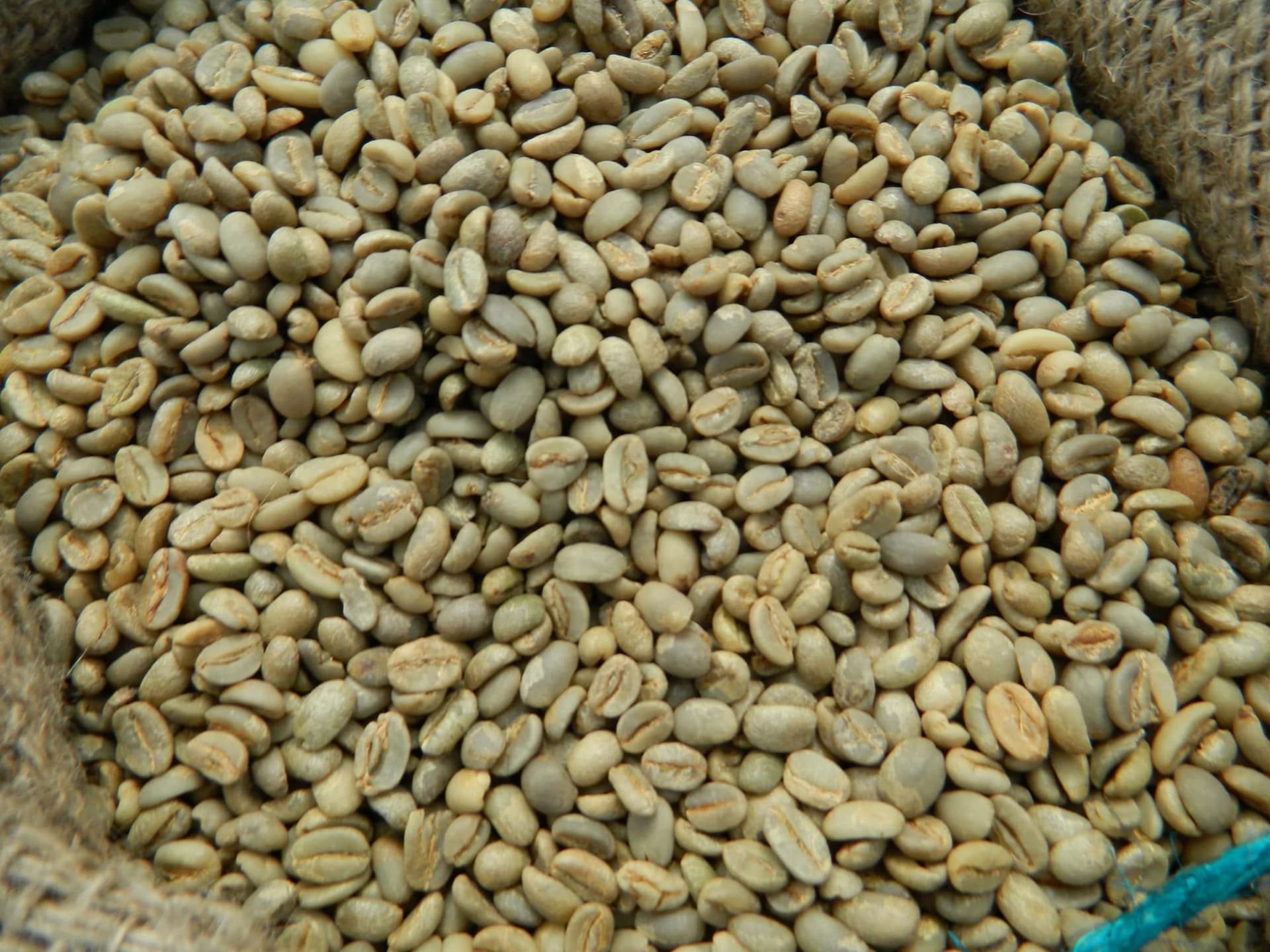
Harrar is the eastern Ethiopian highlands, at 1,400–2,100 m, where coffee is dry-processed by tradition and by necessity — water is scarce. Longberry and shortberry separations are traded, and the characteristic cup is heavy, winey and blueberry-driven when the drying has been well managed.
Contract on: region · grade · screen · process · crop · moisture · defect tolerance · cup approval.
Request current harrar coffeeWhy Harrar is dry-processed
Two reasons, and both matter. The first is tradition — Harrar has been producing dried whole-cherry coffee for a very long time. The second is water: the eastern highlands are drier than the southern coffee zones, and wet processing requires water that is not reliably available.
The practical consequence is that Harrar has no washed alternative to fall back on. Everything depends on drying management, and the weather during drying determines the season.
Longberry and shortberry
Harrar is traded with a size distinction that other Ethiopian regions do not use: longberry (larger, more elongated beans) and shortberry (smaller). Like every size separation, it describes bean geometry rather than cup quality, but it is a real preparation distinction and appears on offers.
The cup
Well-dried Harrar is heavy, winey and fruit-driven — blueberry, dried fruit and a distinctive fermented-wine character over a full body and low acidity. It is one of the most immediately recognisable coffees in the world.
Variability is the defining commercial risk
Harrar’s character sits close to the boundary between "winey" and "over-fermented", and where drying management or weather goes wrong the lot crosses it. Cup a representative sample in multiple cups, and write an explicit ferment and phenol tolerance into the contract rather than relying on a defect count.
Practical notes
- Altitude
- 1,400–2,100 m
- Harvest
- October–February
- Processing
- Natural (dry-processed) throughout
- Separations
- Longberry and shortberry
- Grades
- Commonly Grade 4–5
- Timeline
- Drying and resting extend the pre-shipment schedule relative to washed origins
Harrar enquiries
Tell us the volume and the ferment tolerance you can accept. We describe a parcel as it is.
Request Current Crop OfferQuestions
Frequently asked questions
Why is Harrar coffee always natural?
What is longberry Harrar?
Why is Harrar variable?
Keep reading
Related to Harrar Coffee
- Natural coffee — process, risk and specificationWashed, natural and honey processing explained — what each does to the cup, where the risk sits and how to specify it.
- Dry ProcessingThe mill-side view of dry processing: cherry reception, bed loading, turning regimes, the drying curve and hulling — and the faults that produce phenolic cups.
- Ethiopia harvest and export calendarHarvest and export windows for six East African origins, with every regional cycle.
- Natural Ethiopian CoffeeNatural Ethiopian coffee: the full range from intense Guji and Sidama separations to commercial Djimma grades, with the drying risks and how to specify against them.
- Natural Green CoffeeNatural, dry-processed green coffee from Ethiopia, Uganda and Tanzania — from specialty Guji and Sidama separations to commercial Djimma grades and Ugandan Robusta.
Request an offer
Tell us the Ethiopia coffee you need
Region, process, grade, screen, moisture, defect tolerance, crop year, packaging and destination. Send what you know and we will confirm what Ethiopia realistically supports for the current crop.