Company
Our people
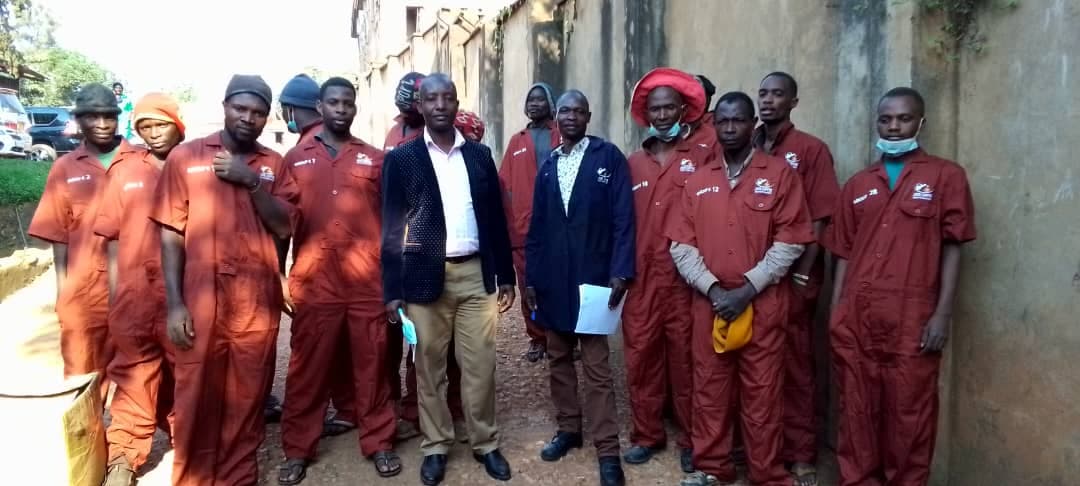
We invest in the people who handle the coffee, because the alternative is to depend on equipment to compensate for judgement it cannot make. Below is what that investment consists of, and — more usefully for a buyer — where each part of it touches the coffee that arrives in your warehouse.
Training and mentorship
People are trained into the work rather than left to pick it up. Development is structured through tailored training and mentorship, from learning a new skill to progressing into a role with more responsibility, and progress is recognised as it happens rather than only at the point of promotion.
Bearing on the coffee — Almost every quality-critical decision at a dry mill is a trained judgement: whether a delivery is dry enough to accept, when a sorter is drifting, whether a stack has been built badly. Equipment does not make those calls.
Staff engagement
Team-building workshops, social activities and interactive problem-solving sessions run regularly, on the straightforward view that people who talk to each other outside a shift communicate better during one.
The stated aim is collaboration, trust and a sense of belonging. The observable result is a workforce that raises problems rather than working around them.
Bearing on the coffee — A mill runs on information moving upward quickly — a batch that smells wrong, a sorter throwing too much good coffee, a container that arrives dirty. Whether that information travels is a cultural property, not a procedural one.
Casual workers are included
Casual employees are treated as part of the workforce rather than as an outside labour pool. Open communication channels, skills training and recognition programmes extend to them on the same terms as permanent staff.
This is deliberate and it is worth stating plainly, because in agricultural processing the casual workforce is usually the group that does the hand sorting, the bagging and the loading — and is usually the group left out of a culture statement.
Bearing on the coffee — Hand sorting, stack building and container loading are done largely by casual staff. A buyer relying on the loading record is relying on the care of the people who built that load.
Wellbeing and safety
Wellness programmes and a working safety standard are treated as part of the operation rather than as a benefit bolted onto it. The team takes part in community safety and health initiatives alongside local partners.
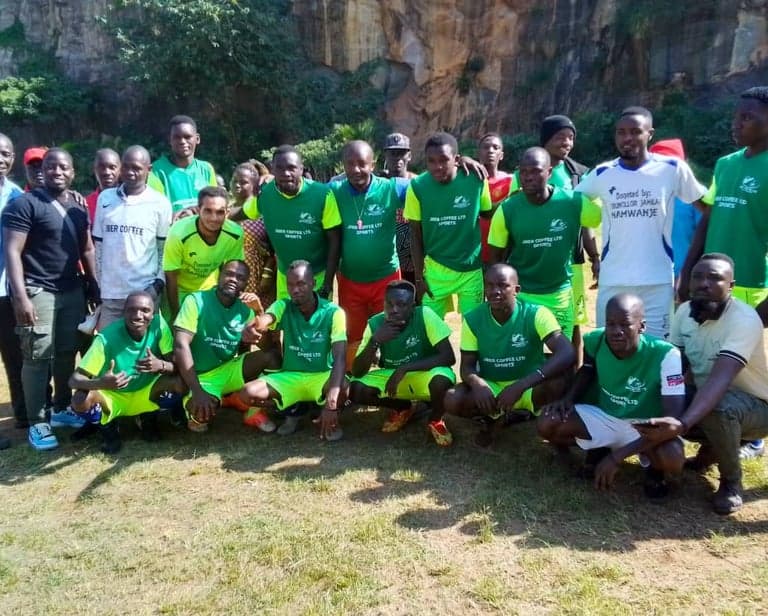
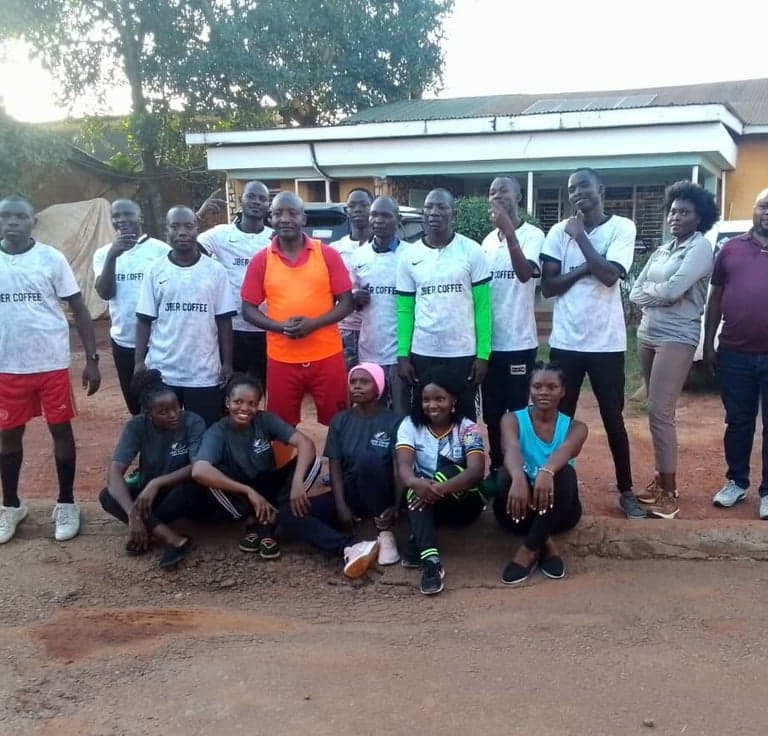
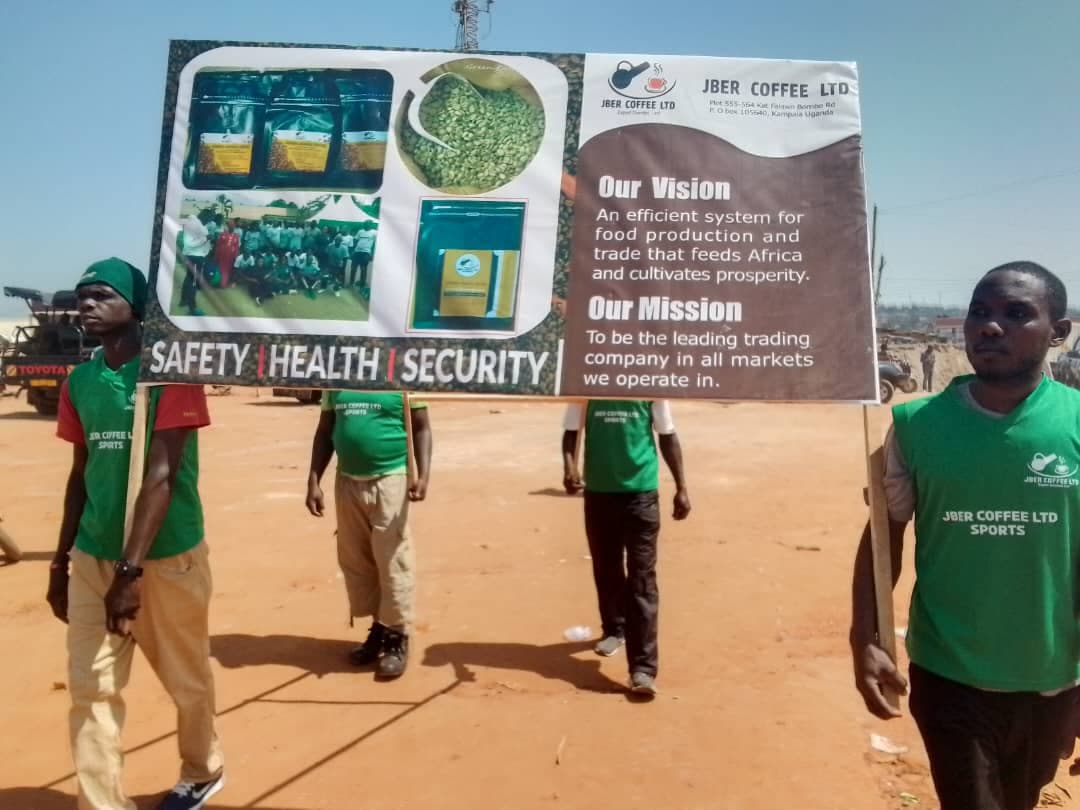
Every two weeks the staff play football together. It is a small thing and it is not a quality control measure, but it is a real and continuing one, and it says more about how the place runs than a mission statement does.
The team
At work and away from it
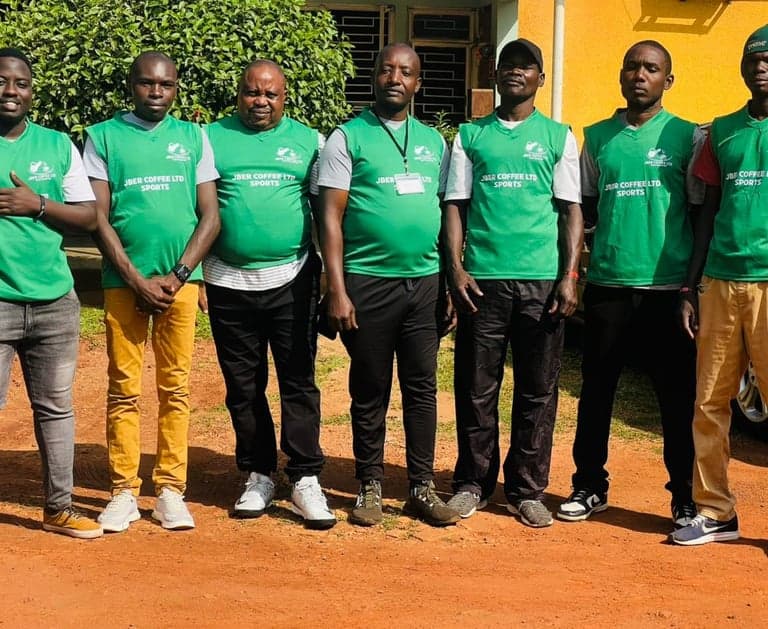
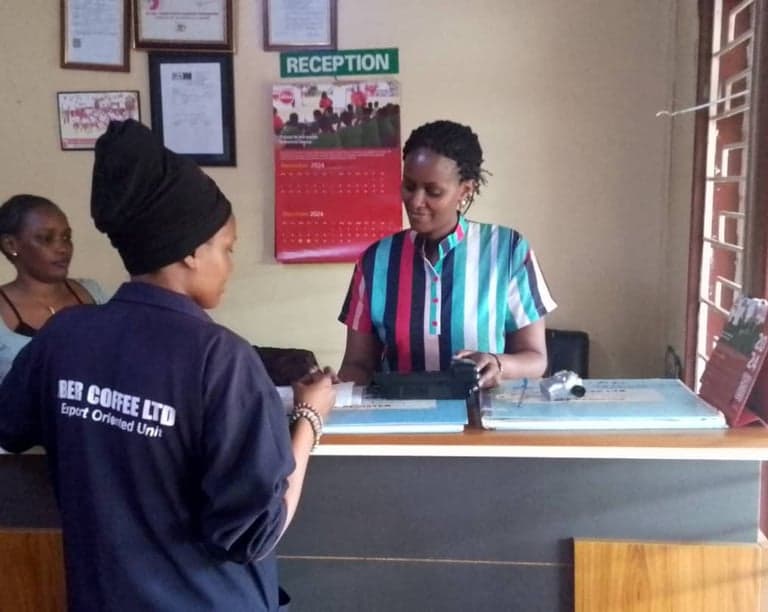
The facility, the reception desk and the staff football side that meets every second week.
What we do not publish
Retention rates, headcounts and training-hour totals are easy to print and impossible for a buyer to verify, so they are not on this page. The same rule governs cupping scores, availability figures and certification claims everywhere else on this site: a number appears only where it is backed by something a buyer could ask to see.
What you can do instead is visit. Buyers are welcome at the facility, and an independent surveyor can be appointed to observe milling, sampling or loading at any point. That is a stronger form of evidence than a statistic, and it is the one we would rather be judged on.
Arrange a visit or appoint an inspectorOur people work at the Ugandan processing facility. Across the other five origins we buy from cooperatives, washing stations and mills with their own workforces, and we do not present their staff as ours.
Come and see the operation
Buyers are welcome at the facility. Tell us when you are in the region and we will arrange the visit around a milling day rather than a quiet one.
Keep reading
More about the company
- CompanyWho we are, how we source, and how quality is controlled before a container is sealed.
- Processing FacilityOur dry milling and export operation — hulling, cleaning, grading, colour sorting, bagging and supervised loading.
- SustainabilityProgrammes for women and young people in the coffee value chain, and a plain account of what we decline to claim.
- Quality AssuranceThe quality control workflow applied to every lot before shipment.
- Company NewsRegistrations, certifications and community activity, recorded when they happen.
- ContactSales, quality and documentation enquiries.