Ethiopia · Growing region
Djimma Coffee
- Species
- Arabica
- Preparation
- Natural · Fully washed
- Harvest
- October–January
Quick answer
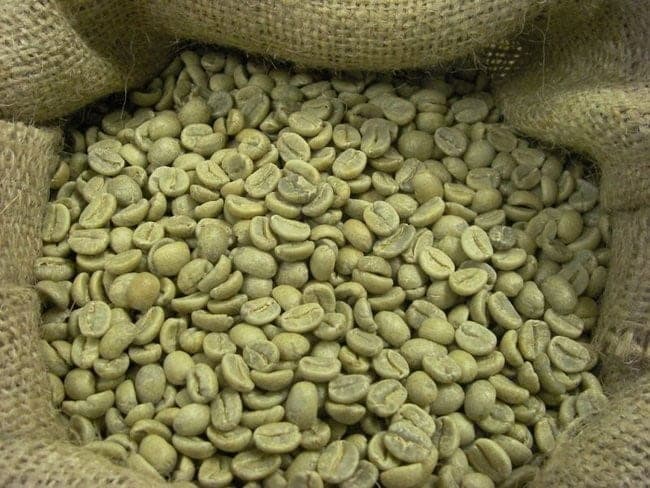
Djimma — also written Jimma — is Ethiopia’s largest-volume coffee area, in western Oromia. Its Grade 4 and 5 naturals are the backbone of commercial Ethiopian supply worldwide: clean, sweet, full-bodied coffee bought for blending rather than for single-origin character.
Contract on: region · grade · screen · process · crop · moisture · defect tolerance · cup approval.
Request current djimma coffeeScale
Djimma is the largest coffee-producing area in Ethiopia. That scale is the point: where the specialty designations produce parcels in the tens or hundreds of bags, Djimma supports continuous multi-container supply.
The area also hosts the Jimma Agricultural Research Center, whose released selections — the 74110 and 74112 series among them — are planted well beyond Djimma itself.
What Djimma actually delivers
Grade 4 and 5 naturals, predominantly. At their best they are clean, sweet and full-bodied, with mild fruit and low acidity — coffee that does a specific job in a blend without imposing a profile on it.
- Body and sweetness in an espresso blend, at commercial prices.
- Ethiopian character in a blend where a Yirgacheffe or Guji would dominate.
- Volume continuity for programme supply across a season.
- A base onto which more expensive components can be layered.
Specifying Djimma
- Grade and preparation
- Grade 4 or 5, natural — stated together
- Defects
- Maximum full defects on the applicable basis
- Moisture
- Range plus method
- Cup
- Governing sample plus an explicit ferment and phenol tolerance
- Crop year
- Explicit
- Volume
- Programme volume and shipment pattern
- Packaging
- 60 kg jute
Djimma programme enquiries
Tell us the annual volume and shipment pattern. Djimma supports programme contracts across a season.
Request Current Crop OfferQuestions
Frequently asked questions
Is Djimma the same as Jimma?
Is Djimma coffee low quality?
Can Djimma support continuous supply?
Keep reading
Related to Djimma Coffee
- Ethiopia Coffee GradesEthiopian coffee grades combine a defect count with a cup evaluation; export coffee is graded 1 to 5. How washed and natural grades differ and what Q1 and Q2 mean.
- Natural coffee — process, risk and specificationWashed, natural and honey processing explained — what each does to the cup, where the risk sits and how to specify it.
- Commercial Green CoffeeCommercial green coffee from six East African origins: the volume grades by origin, how programme contracts are written, and how consistency is held across a season.
- Bulk and Wholesale Green CoffeeBulk and wholesale green coffee from East Africa: container programmes, bagged or bulk-lined, the range distributors need and how consistency is held across shipments.
Request an offer
Tell us the Ethiopia coffee you need
Region, process, grade, screen, moisture, defect tolerance, crop year, packaging and destination. Send what you know and we will confirm what Ethiopia realistically supports for the current crop.