Ethiopia · Preparation
Washed Ethiopian Coffee
- Species
- Arabica
- Preparation
- Fully washed · Natural (sun-dried)
- Harvest
- October–January, varying by region and altitude
Quick answer
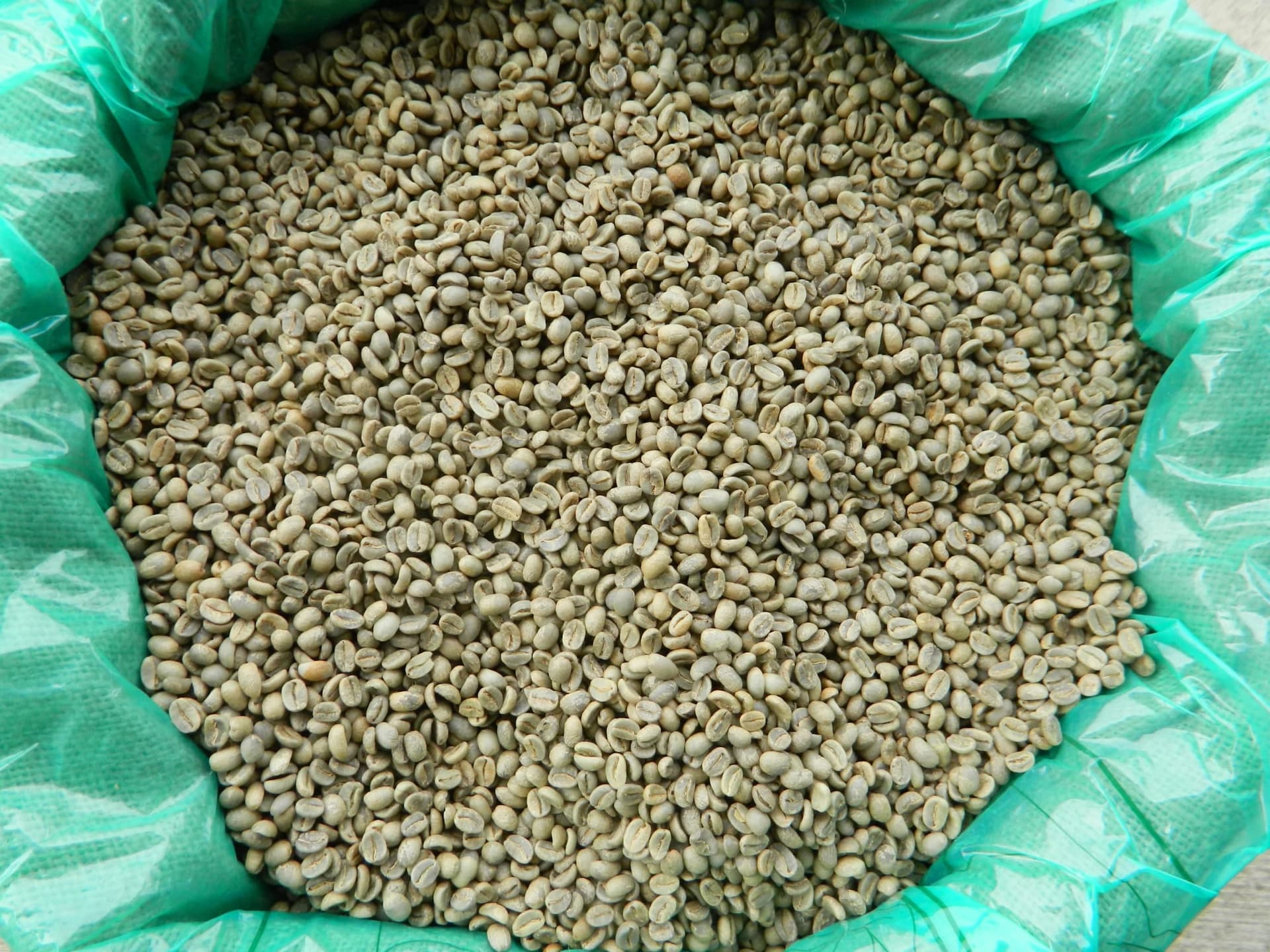
Washed Ethiopian coffee is pulped, fermented, washed and dried in parchment, generally with grading channels used to separate by density. It produces the floral, citric, tea-like profile Ethiopia is best known for, and it is graded on defect allowances specific to washed preparation.
Contract on: region · grade · screen · process · crop · moisture · defect tolerance · cup approval.
Request current washed ethiopian coffeeProcessing as practised
Cherry is delivered to a washing station, floated and sorted, pulped, fermented, and then washed in grading channels which separate by density as well as removing the broken-down mucilage. Parchment is dried on raised beds — the standard across Ethiopian stations — and rested before hulling.
The general mechanics are covered on the wet processing page. What is specific to Ethiopia is the scale of the smallholder delivery base feeding each station, which makes reception sorting the decisive quality control.
Regional profiles within washed
| Region | Character |
|---|---|
| Yirgacheffe | Jasmine, bergamot, lemon; light tea-like body; the floral benchmark |
| Sidama | Citrus and stone fruit with florals and more weight than Yirgacheffe |
| Guji | Floral and structured, with more body than washed Yirgacheffe |
| Limu | Balanced and winey; moderate acidity, medium body, light spice |
| Djimma | Washed production exists but naturals dominate the area’s output |
Grading
Washed and natural preparations are graded on different defect allowances, so a washed Grade 2 and a natural Grade 2 are not the same standard. Washed Grade 2 is the workhorse specialty class for Yirgacheffe and Sidama; Grade 1 lots exist in smaller volumes. See Ethiopia coffee grades.
Specifying
- Preparation
- Washed, stated explicitly alongside the grade
- Region and station
- Ask for the station, not just the regional name
- Grade
- Grade 1 or 2 for specialty separations
- Screen
- Where a size band is required — commonly 15+
- Moisture and water activity
- Both, with methods
- Crop year
- Explicit
- Packaging
- Hermetic liner — the delicate aromatics degrade first
- Arrival timing
- Freshest arrivals land roughly February to May
Washed Ethiopian enquiries
Tell us the region, grade and profile. We will confirm what the current crop supports, with the washing station identified.
Request Current Crop OfferGrowing regions
Ethiopia growing regions
Altitude and harvest timing are the two variables a sourcing decision turns on. Where two regions overlap they compete for the same milling and shipping slot; where they do not, a programme can be scheduled across them.
- Guji1,700–2,300 m
- Yirgacheffe1,750–2,200 m
- Sidama (Sidamo)1,500–2,200 m
- Harrar1,400–2,100 m
- Limu1,400–2,000 m
- Kaffa & Bench Maji1,400–2,000 m
- Djimma (Jimma)1,400–1,900 m
- Yirgacheffe
- Altitude
- 1,750–2,200 m
- Harvest
- October–January
- Processing
- Fully washed · Natural
- Species
- Arabica
- Sidama (Sidamo)
- Altitude
- 1,500–2,200 m
- Harvest
- October–January
- Processing
- Fully washed · Natural
- Species
- Arabica
- Guji
- Altitude
- 1,700–2,300 m
- Harvest
- October–January
- Processing
- Natural · Fully washed
- Species
- Arabica
- Limu
- Altitude
- 1,400–2,000 m
- Harvest
- October–January
- Processing
- Fully washed · Natural
- Species
- Arabica
- Harrar
- Altitude
- 1,400–2,100 m
- Harvest
- October–February
- Processing
- Natural
- Species
- Arabica
- Djimma (Jimma)
- Altitude
- 1,400–1,900 m
- Harvest
- October–January
- Processing
- Natural · Fully washed
- Species
- Arabica
- Kaffa & Bench Maji
- Altitude
- 1,400–2,000 m
- Harvest
- October–January
- Processing
- Natural · Fully washed
- Species
- Arabica
Questions
Frequently asked questions
What makes washed Ethiopian coffee distinctive?
Is washed Grade 2 lower quality than Grade 1?
Which Ethiopian region should I choose for washed coffee?
Keep reading
Related to Washed Ethiopian Coffee
- Washed coffee — process, cup and specificationWashed, natural and honey processing explained — what each does to the cup, where the risk sits and how to specify it.
- Wet ProcessingThe mill-side view of wet processing: cherry reception, pulping, fermentation control, channel grading, soaking, drying and the quality-control points at each stage.
- Ethiopia Coffee GradesEthiopian coffee grades combine a defect count with a cup evaluation; export coffee is graded 1 to 5. How washed and natural grades differ and what Q1 and Q2 mean.
- Washed Green CoffeeFully washed green coffee from Kenya, Rwanda, Burundi, Tanzania, Ethiopia and Uganda — including soak-processed lots — specified by grade, screen and cup.
- Ethiopia Green CoffeeEthiopian green coffee: regional designations, the Grade 1–5 classification, washed and natural preparations, washing station traceability and export via Djibouti.
- Yirgacheffe CoffeeYirgacheffe coffee: what the designation covers, altitude, washing stations, the characteristic floral washed profile and how to specify a Yirgacheffe lot.
Request an offer
Tell us the Ethiopia coffee you need
Region, process, grade, screen, moisture, defect tolerance, crop year, packaging and destination. Send what you know and we will confirm what Ethiopia realistically supports for the current crop.